Get the weekly SPARTANAT newsletter.
Your bonus: the free E-Book from SPARTANAT.

We like chocolate, a short history
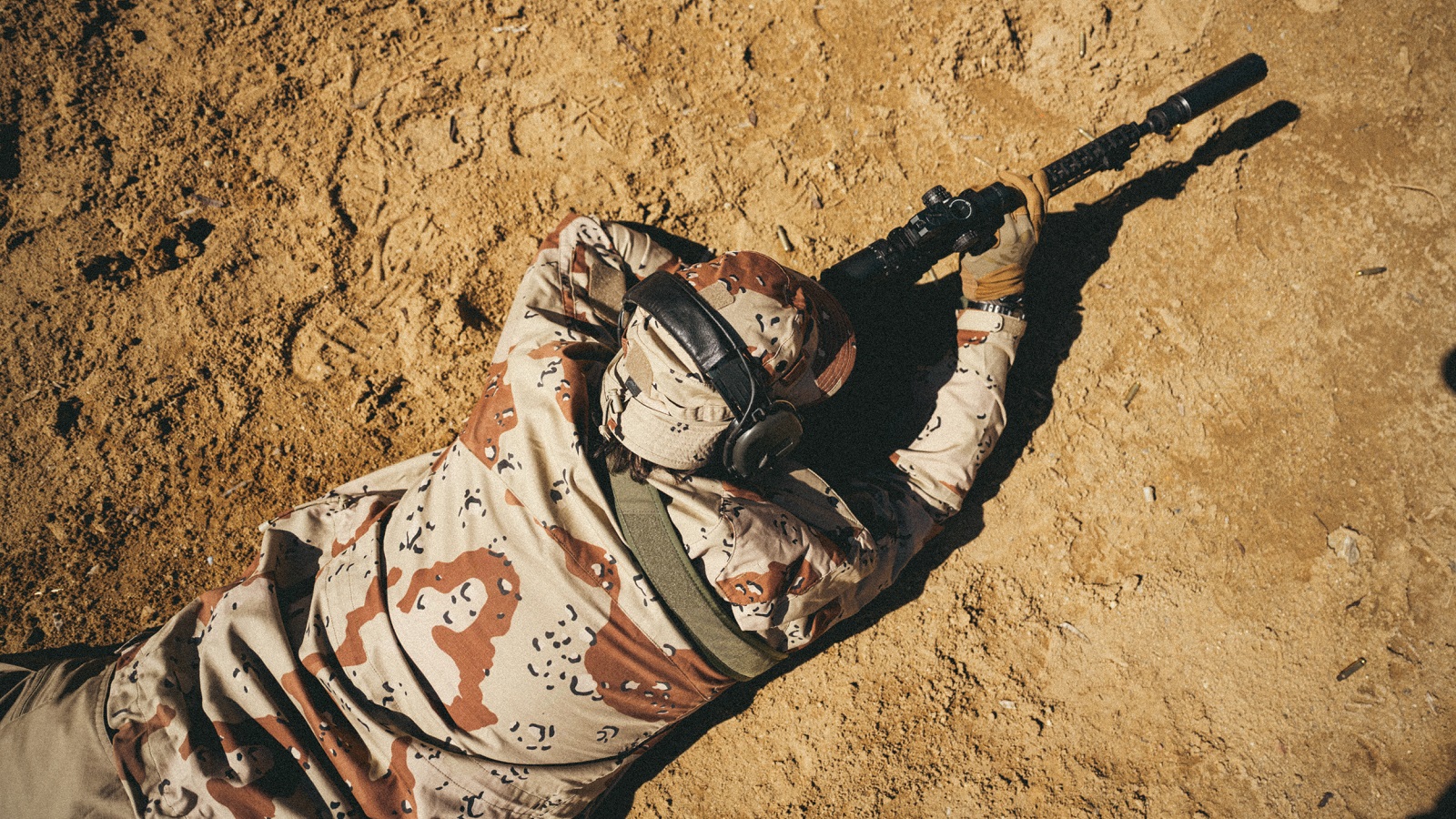
The "U.S. Six-Color Desert Pattern Camouflage," known as "Chocolate Chip," has a rich history rooted in postwar Middle East conflicts. Developed in the 1960s for arid environments, it gained prominence during the Gulf War. Despite its operational challenges, it evolved into a global symbol of military camouflage, reflecting an era and strategic adaptations.

Our friends from HELIKON TEX selected “U.S. Six-Color Desert Pattern Camouflage” as their yearly camouflage. Better known as “Chocolate Chip” this camo has become a legend of its own. So here we have a little history about this iconic camouflage for you:
Where did the idea for a desert uniform come from?
To understand the genesis of this camouflage, one has to go back to the postwar history of the Middle East. The establishment of the state of Israel in 1948 initiated a period of constant tension in the region. Subsequent Arab–Israeli wars forced the United States to consider scenarios involving direct support for its ally. The situation was further complicated by the Cold War context: Egypt, Iraq, and Syria lay within the Soviet sphere of influence. The risk of a major war compelled Americans to answer a fundamental question: how should a soldier be dressed for desert conditions?
Work on uniforms for arid environments began when the deployment of U.S. forces to the region seemed inevitable. Interest waned after 1967 but returned “at full throttle” following the Yom Kippur War (1973), when the possible use of the 82nd Airborne Division was seriously considered. The first prototypes of the six-color pattern appeared as early as around 1971. Importantly, it was tested in parallel with a solid sand-colored variant, as designers searched for a desert counterpart to green jungle fatigues.
Natick Labs and the logic of the “rocky desert”
The pattern itself was developed at Natick Labs in the mid-1960s. Early materials show at least two main variants: one that was ultimately selected and is familiar today, and another that was clearly darker, almost grayish in appearance. Designers based their work on the environment of the southwestern United States, particularly the dry but rocky regions of southern California. This is the key to the “odd” look of the camouflage: it was not meant to be merely “sandy.” It was designed to imitate a rocky desert, with fine debris and the shadows cast by small stones.
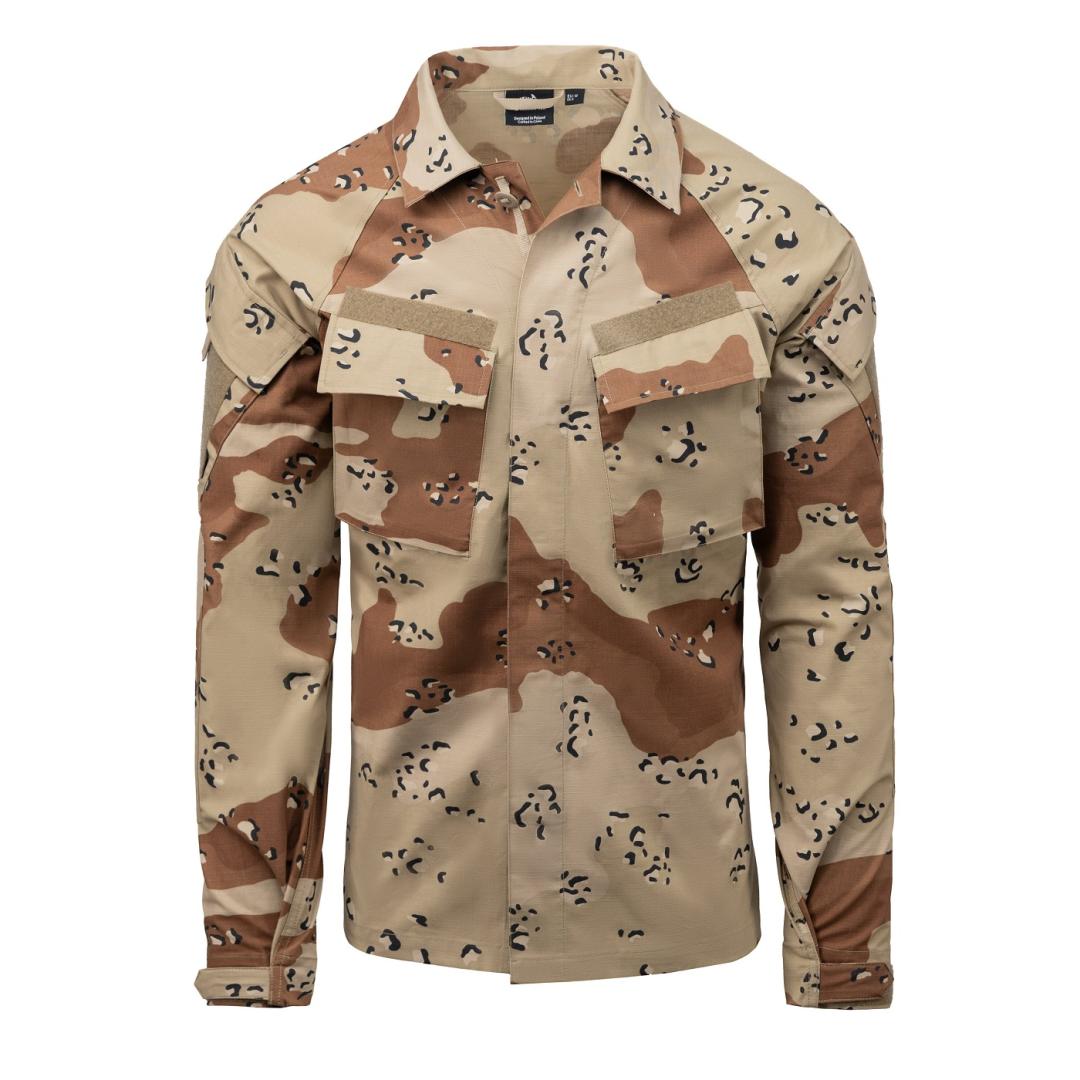
This logic explains its distinctive construction: six colors and very specific “chips.” The base is a light sand color, overlaid with a slightly darker shade (sand with a faint greenish tone), plus two browns—light and dark—and white, intended to represent pale pebbles. Finally, black appears as the “shadow” of these small elements. Hence the nickname “Chocolate Chip,” because the arrangement of white and black specks reminded many people of chocolate pieces in a cookie.
The first applications were purely experimental—the pattern appeared on a limited number of uniforms in the U.S. Jungle Cut. A more significant step came around 1972, when a version was produced by the Defense Personnel Support Center (formerly the Philadelphia Quartermaster Depot). An interesting detail is the cut of these test uniforms, unofficially referred to as RDF (Rapid Deployment Force). This cut reappeared in various colors and camouflage patterns throughout the mid-1970s and early 1980s, eventually leading to the standardized form known as the BDU (Battle Dress Uniform).
Standardization in the 1970s: the “desert set”
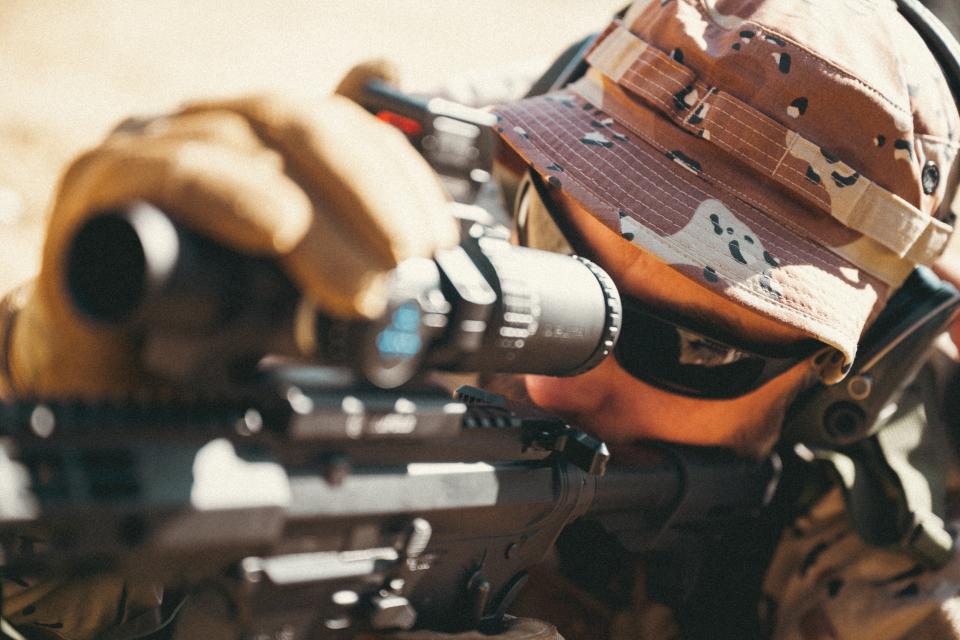
During the 1970s, the “desert set” gradually took shape and became standardized piece by piece. Documents mention, among other items, the boonie hat (1971), trousers and jackets described as “bush style” (1973), and later the PASGT helmet cover (1979). Earlier, M1 helmet covers were also seen, and at Natick there were even considerations of solutions in which the cover would function as head and neck protection. At the same time, a concept was tested of issuing two camouflage patterns “as a pair”: the six-color pattern for daytime use and the Night Desert Camouflage Pattern for nighttime (parkas, liners, and overpants appear in materials from 1973–1974).
There were also dead ends: for example, neckerchiefs, later versions made of mesh polyester printed in six-color, or attempts at a “desert” approach to jungle boots, which were ultimately replaced by black leather boots.

The pattern did not disappear from laboratories and warehouses—it resurfaced toward the end of the 1970s, even briefly appearing on specialized items such as the Special Forces jump smock. Broader issuance to selected subunits began in late 1980. One of the first notable episodes in which the camouflage may have been used operationally was Operation Eagle Claw, the failed attempt to rescue American hostages in Iran, though definitive documentation is lacking.
Larger-scale use came with Operation Bright Star, especially Bright Star 82, when soldiers of the 82nd Airborne and other units received desert BDUs during exercises—later known as D-BDUs (Desert Battle Dress Uniforms). Throughout the 1980s, these sets were used selectively, including in subsequent Bright Star exercises and among forces and observers stationed in the Sinai.
1980s: Coming into use and the three variants
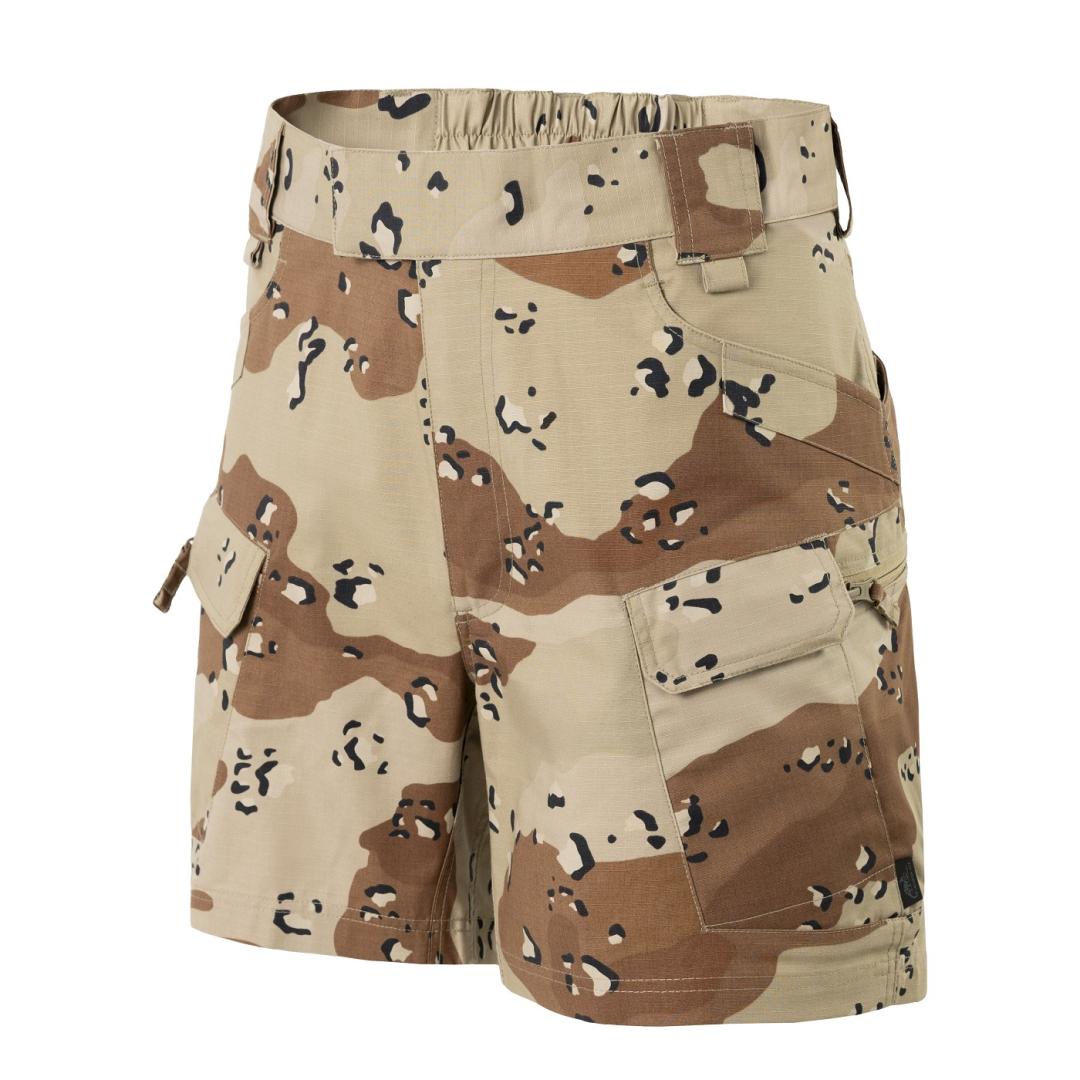
During the 1980s, subtle differences in the print itself became apparent, to the extent that one can identify three recognizable “faces” of the Chocolate Chip pattern. The earliest variant (around 1981–1983) features very dark browns. The next version lightened the browns and reduced their shapes; the most noticeable difference concerned the “chips” themselves—there were more of them, with slightly different forms, and their shadows were thinner and less intense. The third variant went in another direction: sandy tones dominated, brown streaks were muted, and the chips returned to a more “original” look—fewer, larger, and more distinct—giving the overall impression of lower contrast and a more blended appearance.
The Gulf War: birth of an icon
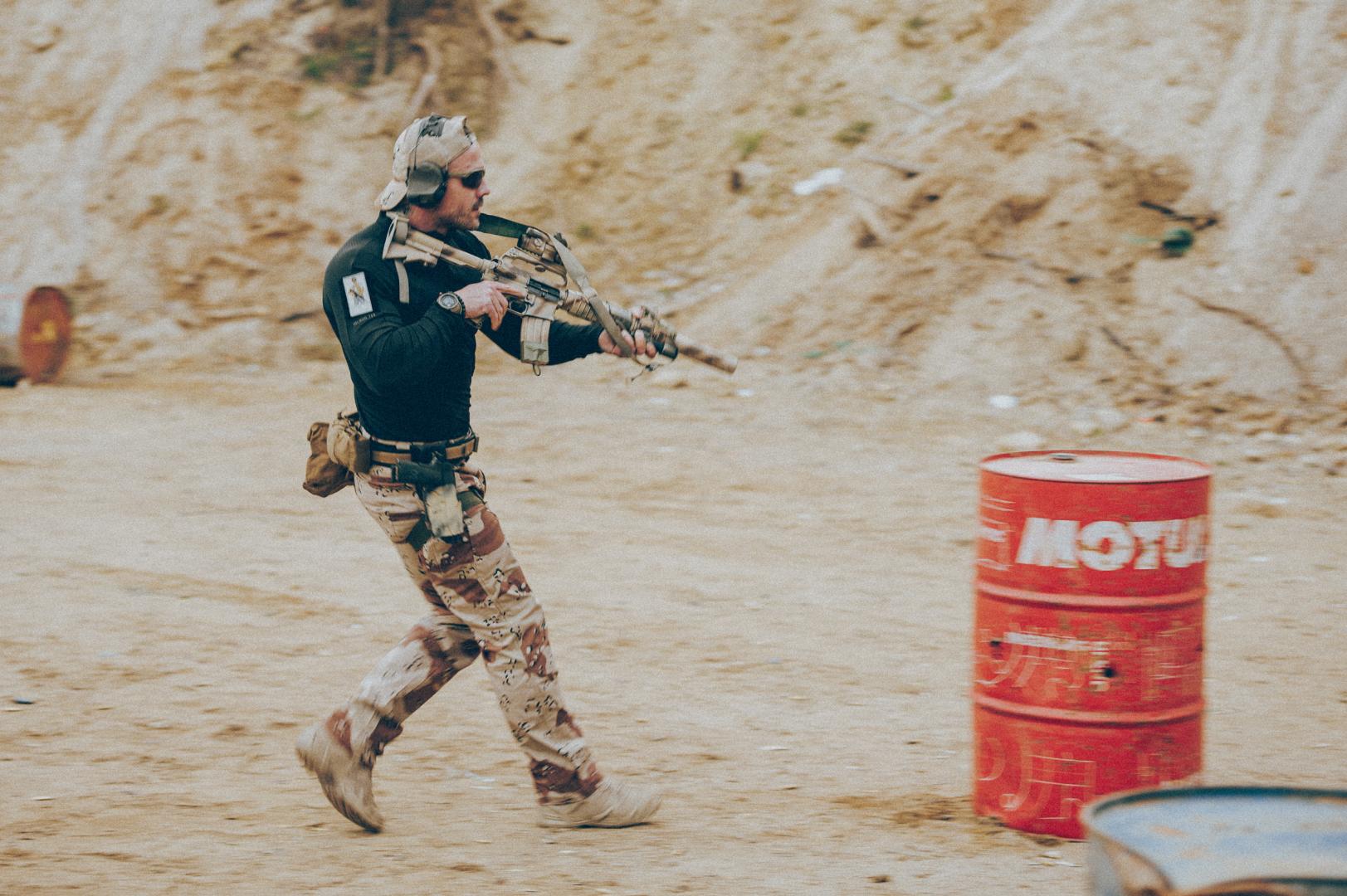
Chocolate Chip achieved its greatest recognition during the First Gulf War. It is worth remembering the three stages: Iraq’s invasion of Kuwait in August 1990; Operation Desert Shield (securing the area and building up forces); and then Operation Desert Storm, followed by Desert Saber, launched in mid-January 1991, which led to the liberation of Kuwait and the expulsion of Iraqi forces.
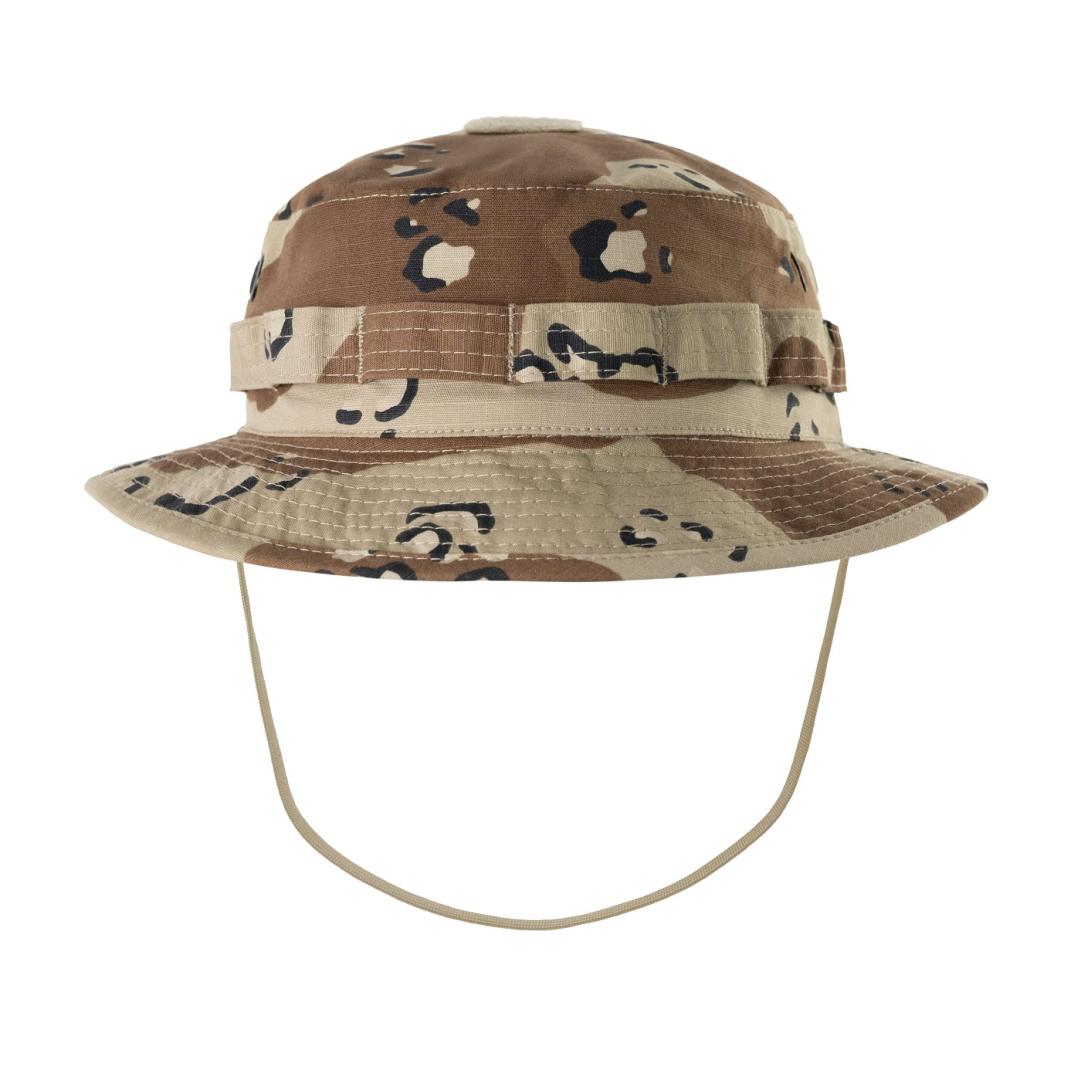
It was during Desert Shield that the six-color camouflage and D-BDUs entered mass circulation. Many units arrived in Saudi Arabia wearing standard woodland uniforms and only after weeks or months received desert sets and Night Desert items. When Desert Storm began on January 17, 1991, most U.S. forces were already “dressed for the desert”: jackets and trousers, boonie hats, PASGT helmet and vest covers, and ALICE pack covers. Although photographs exist of soldiers (including General Norman Schwarzkopf) wearing patrol caps, or Marines in utility covers in this camouflage, many of these “nonstandard” items were privately actually purchased as commercial accessories.
This inevitably raises the recurring question: how did Chocolate Chip perform in its first major conflict?
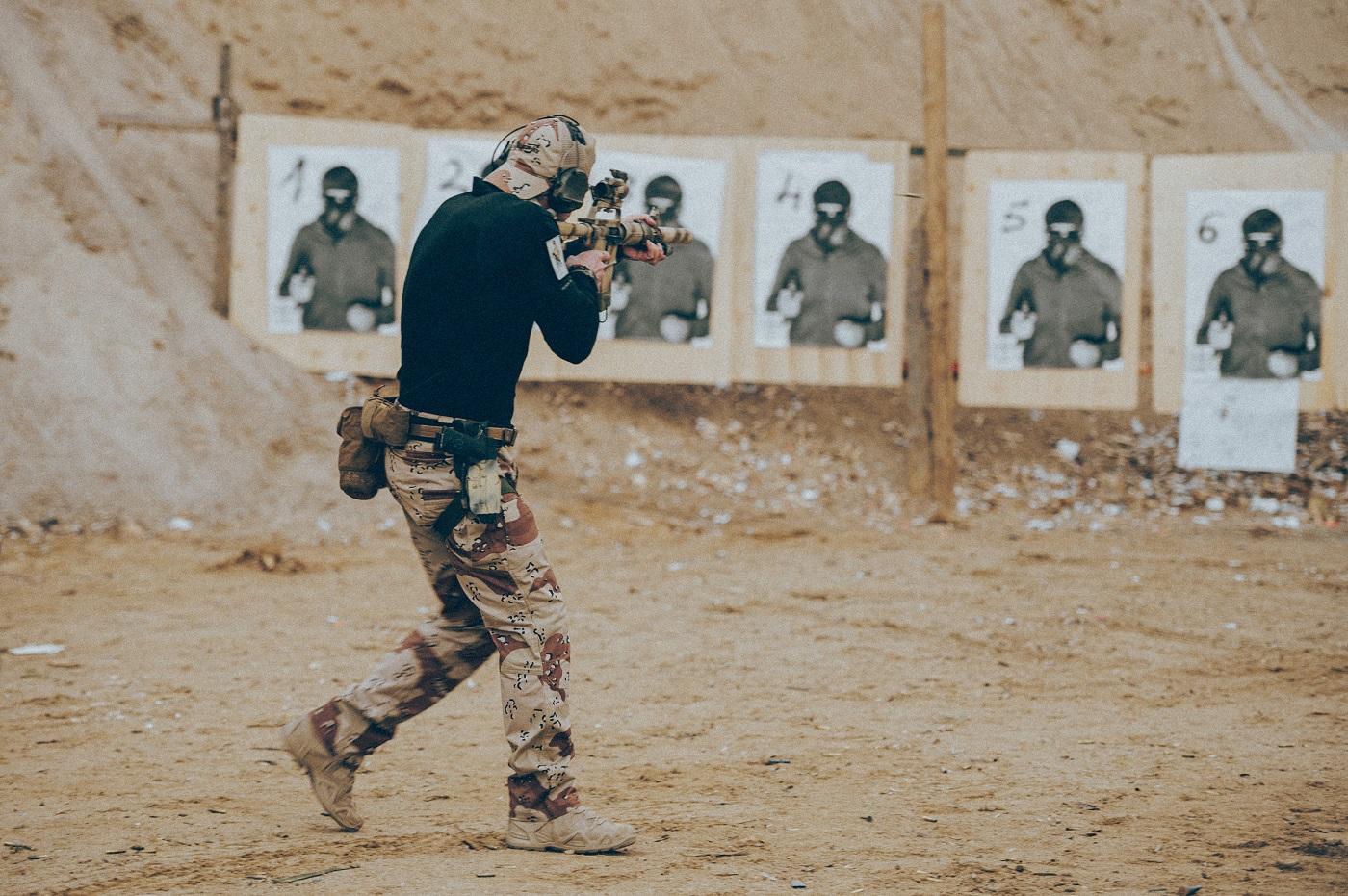
Firstly, it was expensive to print and from the outset designed for fairly specific, arid environments. Secondly, the darker browns could absorb more heat. Thirdly, when it came to rapidly procuring huge numbers of uniforms, production shortcuts appeared: changes or removal of reinforcements, poorer durability, and rapid fading of the print. Most importantly, however, in practice the pattern simply did not camouflage as well as expected. By the late 1980s, the military was already coming to the conclusion that in desert environments, “less is more.” This is why work began in 1988 on a new pattern that later became the U.S. Three-Color Desert Pattern, which started to appear on a limited scale toward the end of the war.
Despite criticism, Chocolate Chip remained in service surprisingly long—until 1995. Its last major operational episode was UNISOM II in Somalia (during the civil war). There, American forces used both remaining stocks of six-color D-BDUs and the newer three-color DCUs (Desert Camouflage Uniforms). After the operation, the U.S. Army fully transitioned to the three-color desert camouflage.
Life after life: surplus, clones, and a global career
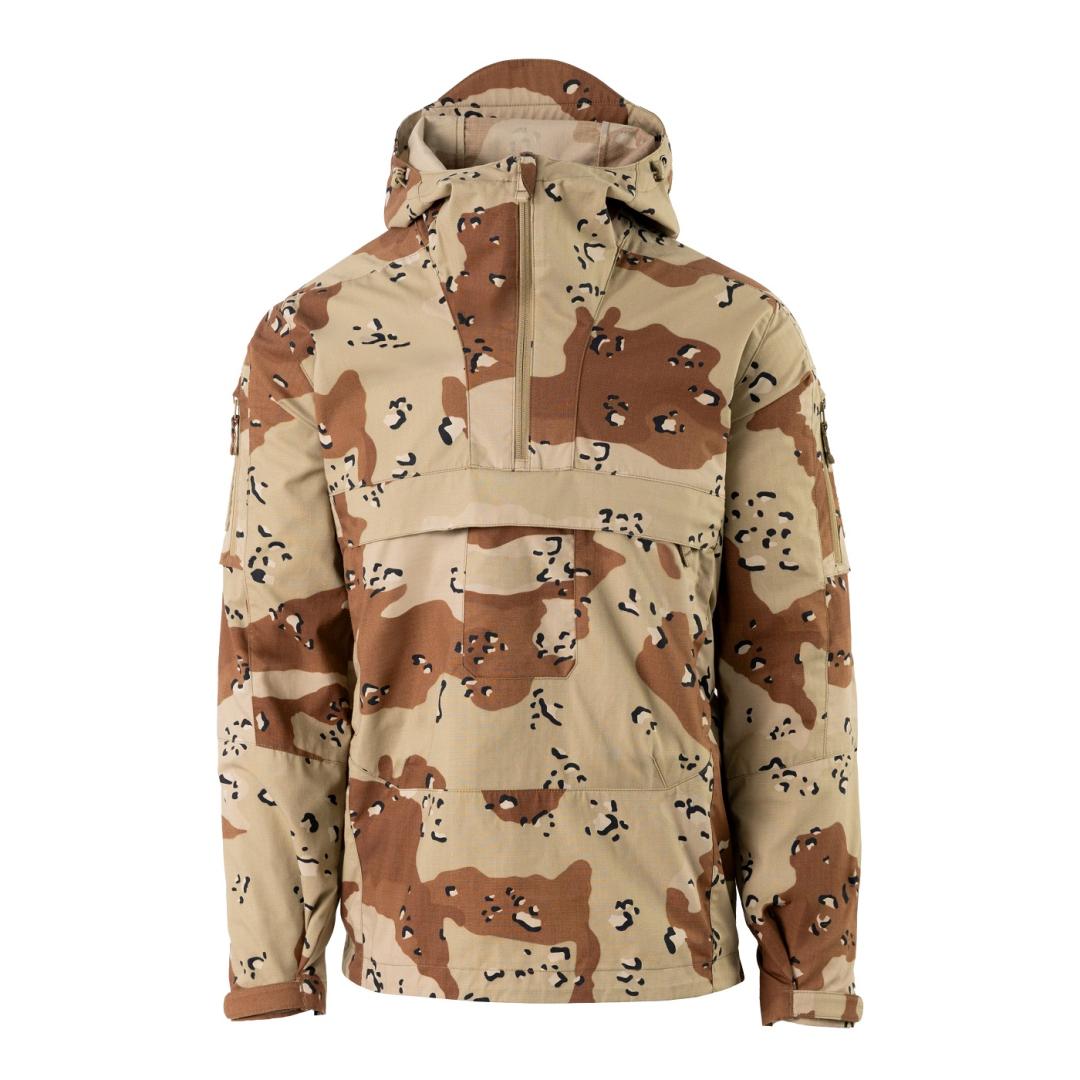
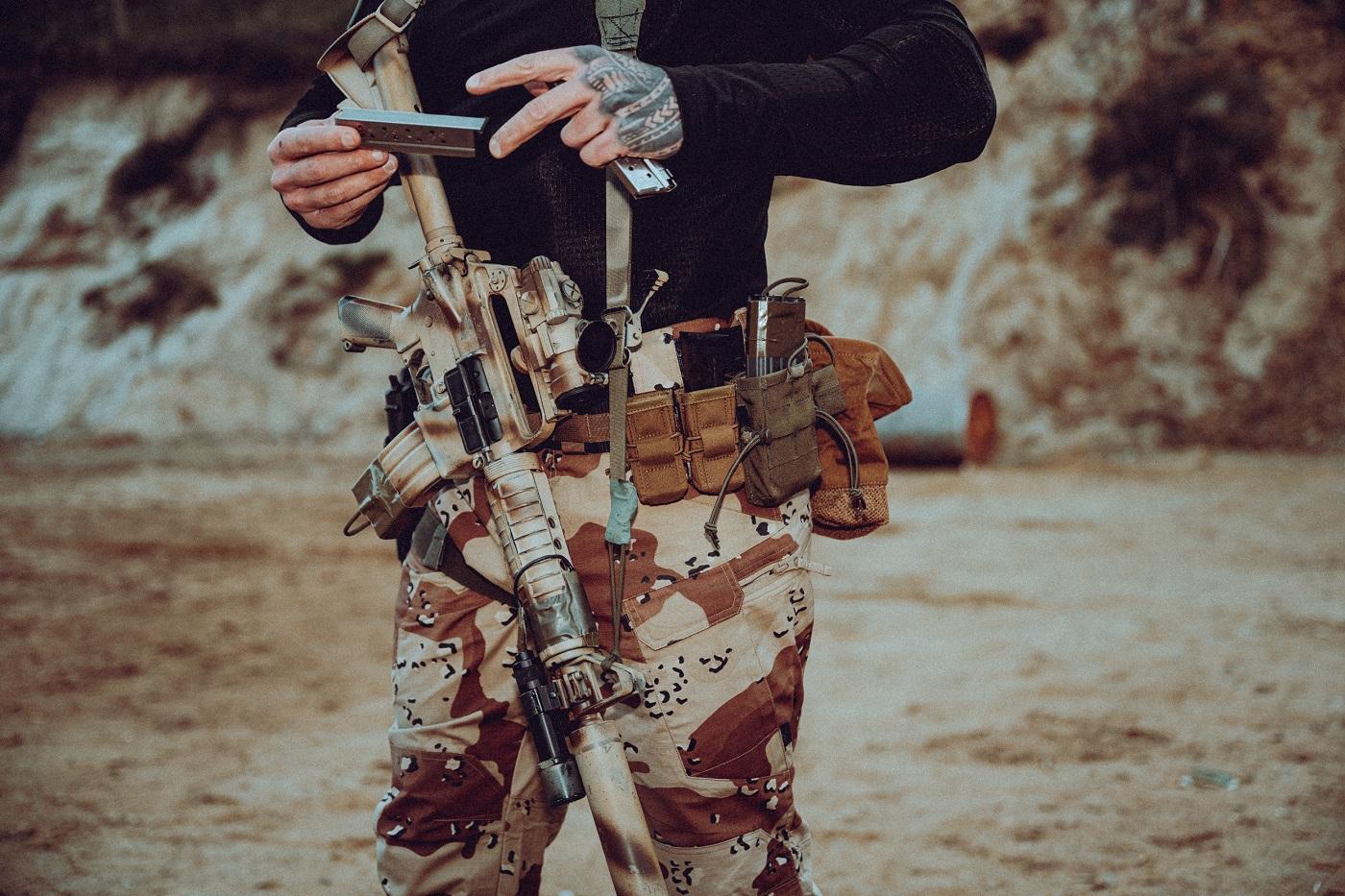
But Chocolate Chip did not die. It survived in surplus stocks, on the surplus market, in clones and variations—and to this day appears in more or less faithful adaptations used by various countries. These include Kazakhstan, Spain, South Korea, Saudi Arabia, Pakistan, Egypt, Iran, Argentina, Rwanda, and the Philippines.
In short, even if it did not fully prove itself in combat as the “ideal desert camouflage,” as a motif and a symbol of an era it achieved a global career.
Chocolate Chip is therefore a great example of how military camouflage can become more than just a tool for concealment. It can serve as a marker of a time, a war, and a way of thinking about the battlefield—and sometimes also as a lesson that designing for one very specific type of desert may collide with real-world theaters of operation, with simplicity ultimately winning over complexity.
SPARTANAT is the online magazine for Military News, Tactical Life, Gear & Reviews.
Send us your news: [email protected]
Ad
similar
Get the weekly SPARTANAT newsletter.
Your bonus: the free E-Book from SPARTANAT.
