Get the weekly SPARTANAT newsletter.
Your bonus: the free E-Book from SPARTANAT.

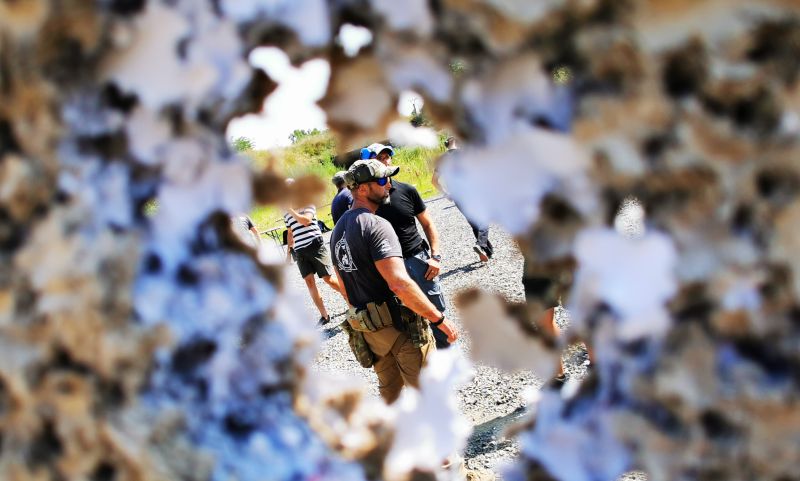
TCA Tactical Week 5 - Pistol Level 1
The TCA Tactical Week near Bratislava features a range of pistol courses after rifle training. The entry-level course sets the foundation for further training, emphasizing safety, equipment selection, and shooting techniques.

On the fifth day of our TCA Tactical Week near Bratislava in Slovakia, we are now starting the pistol course after three days of rifle training. Level 1 is the entry point and foundation for up to 30 pistol courses that can be attended. There is a lot to learn, and even though we attended this course several years ago, it was very good to experience it again. No matter what your shooting level is, everyone must start at Level 1 at TCA.
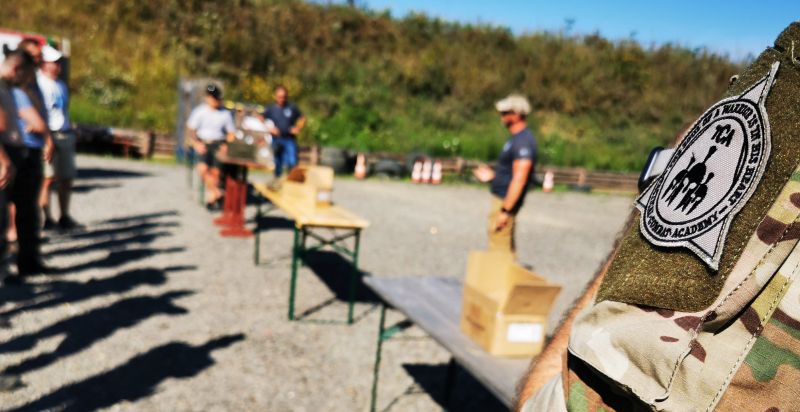
Consequently, the course was very well attended today with over 15 participants in total. In the morning, we started again with the equipment. Gabriel explained the types of holsters available, different ways of carrying them, and what to pay attention to. He also covered how to place magazine pouches or other equipment so that they do not interfere with movement and are easily accessible. Those who don't have their own holster or magazine pouch are provided by TCA.
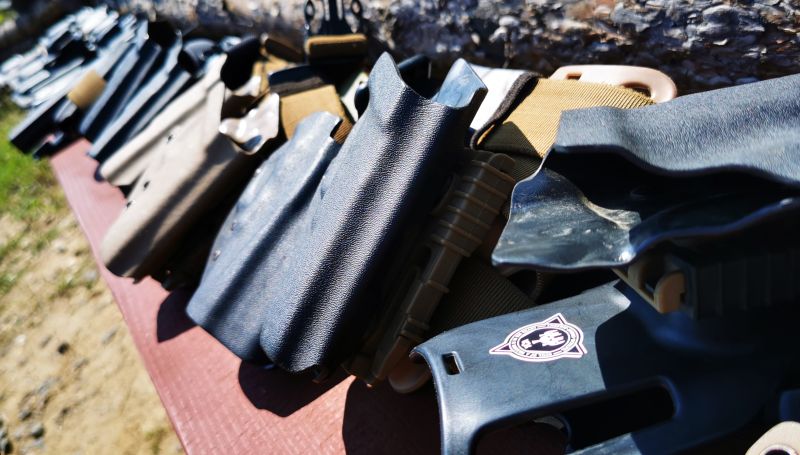
Kydex, as far as the eye can see. The vast majority of holsters or magazine pouches in the current rental inventory are made of this material. The wide variety ensures that each participant can choose the holster they may want to acquire later on. Here, you can look at and compare different options. This allows you to test before making a purchase whether the equipment is right for you.
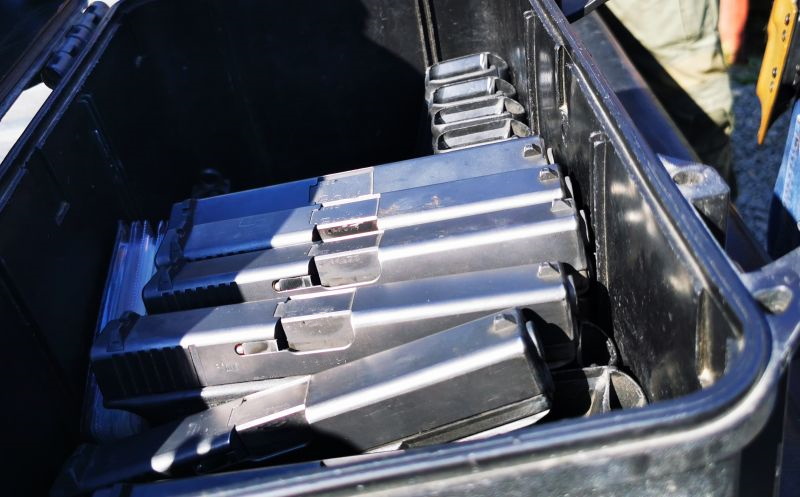
The correct stance, proper body posture, and specific grip technique followed shortly after. All of this was practiced in dry-fire training. This allows experienced shooters to verify whether they are still implementing these techniques. For others, it is step-by-step guidance towards a live shot.
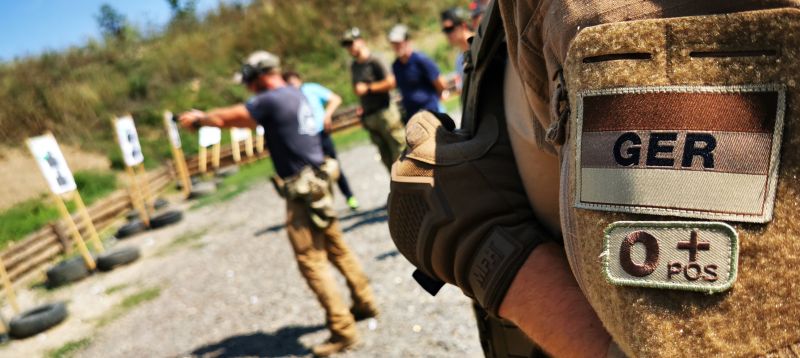
Before loading and making noise, there is the Safety Drill. Essential for handling the weapon, ensuring correct safety is always a priority. Therefore, the slide was cycled three times and the remaining steps were executed as demonstrated.
Every instruction includes a "why," explaining the reasoning behind each action. Gabriel draws on his experience and passes it on to the course participants. He wants everyone to be able to explain why they perform a step a certain way instead of another. If someone knows a different Safety Drill, Gabriel is happy to discuss and explain the differences.
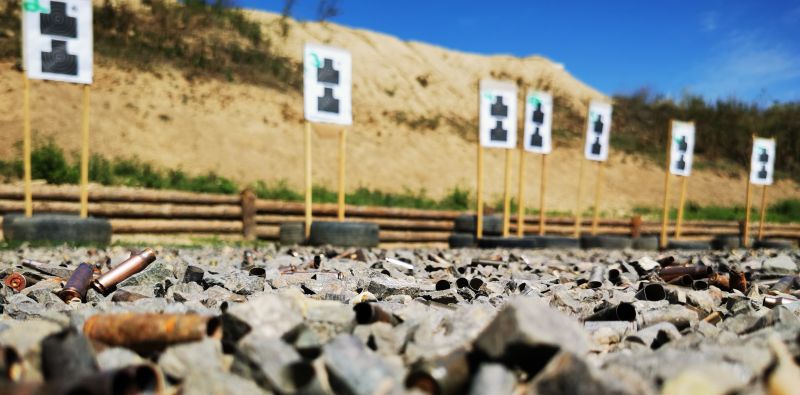
Now it's time to load. Unfortunately, for us, it's not as exciting anymore as the first time. Since this year, we actively shoot live rounds with our own firearm, so a bit of routine has already settled in. Therefore, it's crucial to consciously avoid skipping any steps at the beginning of the course. After several repetitions and integrating additional learning steps, the shooter is already able to shoot independently on command. It can happen just that fast.
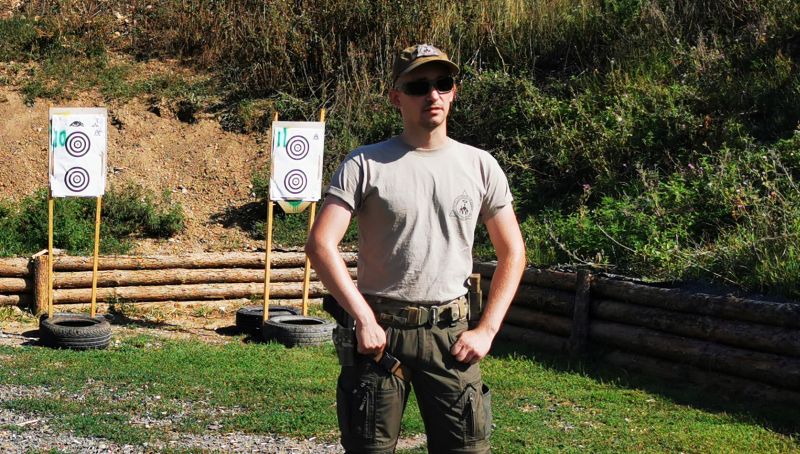
That's it for the morning, and the long-awaited lunch break follows to seek some shade. Slovakia is hot... At first, I thought I was the only German-speaking person in the current course, as the majority of the group is from Slovakia. But fortunately, I am not alone, as two new German colleagues have arrived and will be participating in the next few days. Today, I also met the third interpreter, Matus. He learned German for several years at the Goethe-Institut and later successfully studied electrical engineering at the TU Munich, speaking excellent German. He provides simultaneous translation, delivering perfect work that is crucial: he translates the trainers' instructions from Slovak to German.
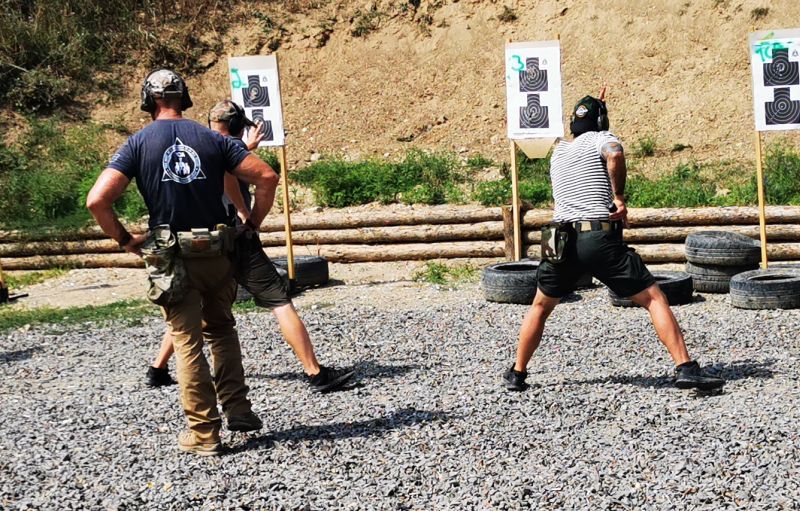
After lunch, there is a short warm-up to get back into the groove. Because now comes the change of position. In order to make it as difficult as possible for a potential attacker, one moves from the spot and then focuses on the target.

So that one can regain orientation after the situation, there is an environmental check. This is then incorporated into the process and controlled by the trainers. Step by step, the routine is built up, until a complete shooting process is achieved.
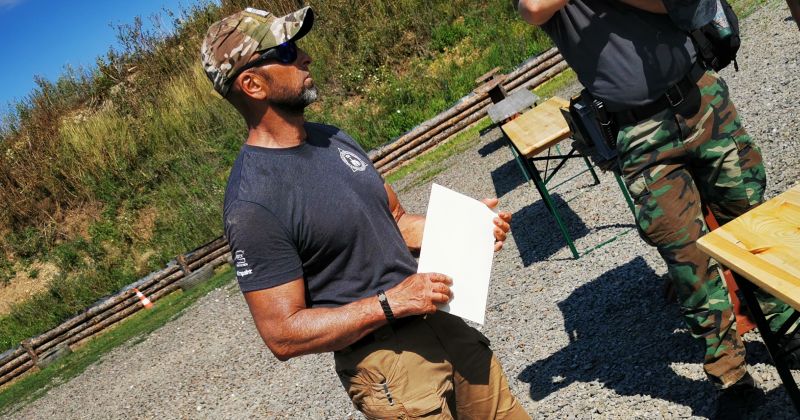
At the end of the course, all participants have the opportunity to take photos again. This way, each shooter can have a picture taken with their target. Rental equipment is returned and then those who have not booked a follow-up course receive certificates.
Gabriel informs all participants here about the possibility of attending additional courses. There are also various courses at the TCA outside of the shooting program. What to do in captivity? In crisis situations? A comprehensive medic course is also offered. The program is extensive and comprehensive.
The Tactical Week at TCA
TACTICAL COMBAT ACADEMY online
SPARTANAT at the Tactical Week of TCA
– TCA TACTICAL WEEK – The Preparation
– TCA TACTICAL WEEK 1 – Assault Rifle Level 1
– TCA TACTICAL WEEK 2 – Assault Rifle Level 2
SPARTANAT is the online magazine for Military News, Tactical Life, Gear & Reviews.
Send us your news: [email protected]
Ad
similar
Get the weekly SPARTANAT newsletter.
Your bonus: the free E-Book from SPARTANAT.
