Get the weekly SPARTANAT newsletter.
Your bonus: the free E-Book from SPARTANAT.

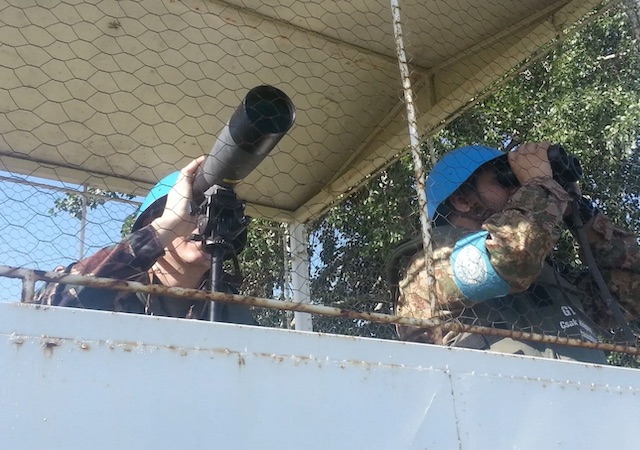
MILITARY OBSERVER WESTERN SAHARA: In the land of the Puszta and Magyars
Carsten Dombrowski underwent special training for his deployment as a military observer in the Western Sahara. His experiences in Hungary, including practical training and exciting exercises, prepared him well for his mission.

Carsten Dombrowski - check out his homepage of the CAPSARIUS AKADEMIE and sign up for the excellent "Callsign Doc" newsletter - was deployed as a military observer of the German Bundeswehr for six months in the Western Sahara. But before that, he underwent special training for the new challenge. Here are his experiences:
As mentioned in the last report, I was able to experience my final module in Hungary. Three weeks of training and final exercise in a beautiful landscape with a touch of the Eastern Bloc. The United Nations Training Center of the Hungarian Armed Forces is located in Szolnok, about 1.5 hours east of the capital Budapest.
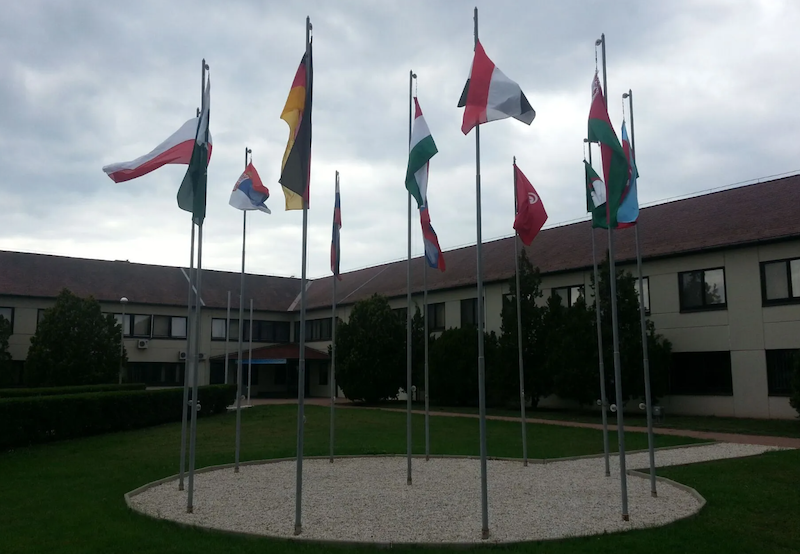
Together with 24 other participants from twelve different nations, I underwent a tightly organized training course led by motivated and experienced instructors. The contents to be conveyed are determined by a central mandate of the United Nations itself. Compliance with these guidelines is regularly checked, and the training centers are certified by UN observers.
Based on these guidelines, however, each training facility has enough flexibility in shaping the content. This is where the main differences lie in implementation. It is up to the respective responsibility whether a topic is conveyed theoretically as a lecture or in detail-oriented practice.
The Hungarians often chose the practical variant. For the participants, they created highly complex scenarios set in the beautiful landscape of the Egger region, a well-known wine-growing area.
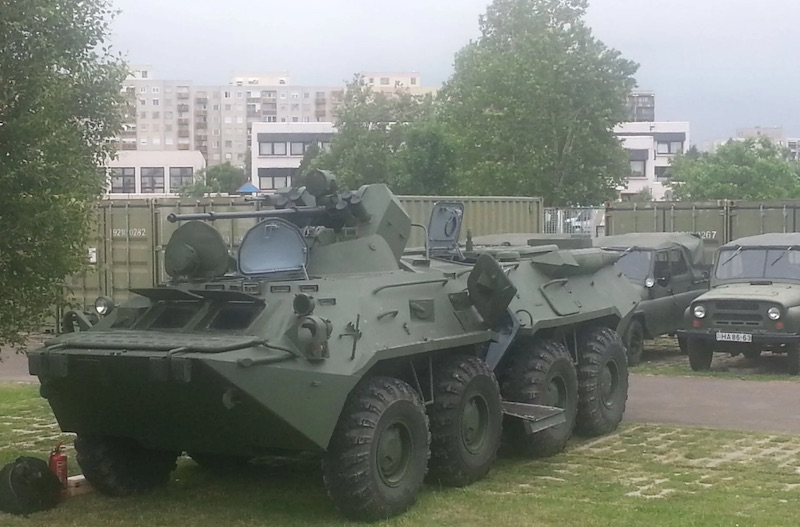
It was interesting for me to experience an army from the former Eastern Bloc. Although Hungary has been a member of NATO since 2004, many indications of the former membership in the Warsaw Pact could be seen in the equipment alone. For example, in the training topic "Cooperation with Helicopters," the models MI 8 and MI 24 (HIND) were used. Unfortunately, the latter could not be used for flying due to logistical spare part issues, much to my disappointment. Nevertheless, it was impressive.
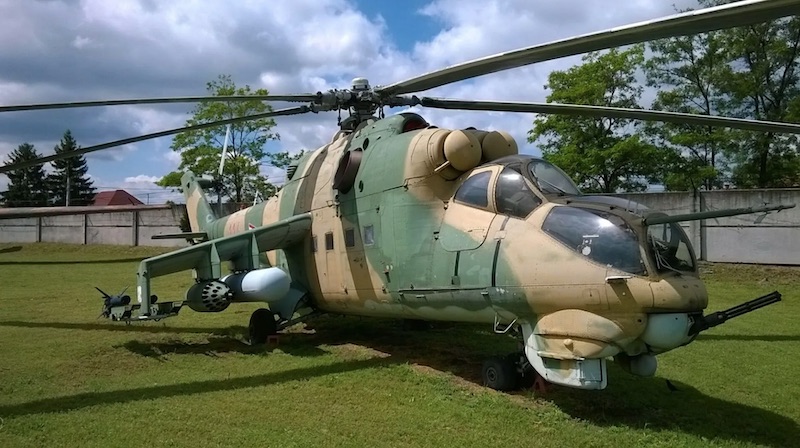
But the other topics were no less exciting and were presented with a lot of enthusiasm. Mine awareness, patrols, medical training, and much more.
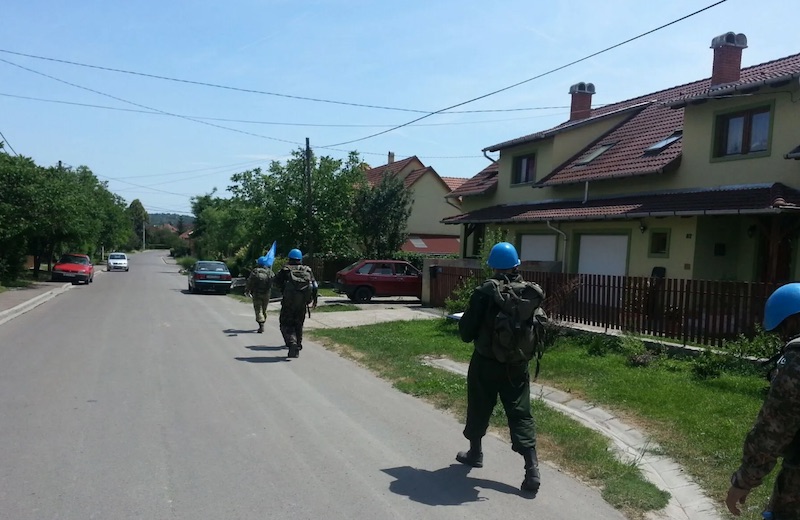
The final exercise itself was a mixed variant of foot and vehicle patrols, where various tasks had to be solved in a station course. This included a very rustic, sweat-inducing hostage situation, as well as negotiation techniques with marauding militias. The whole exercise was designed to be free-flowing, using civilian infrastructure, which added its own charm and almost a sense of real deployment.
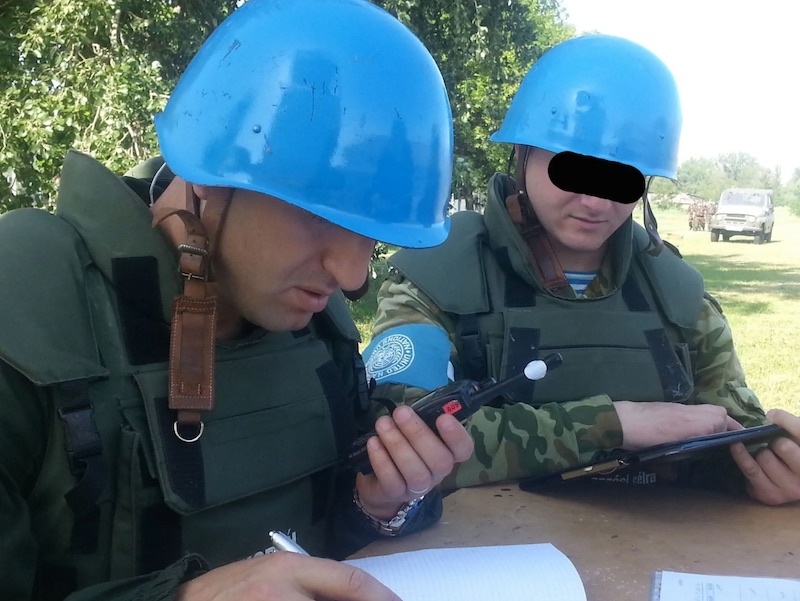
In conclusion, I can say that I was glad to have experienced my final module at this small but highly professional training center of the Hungarian Armed Forces. I felt well prepared for my upcoming mission, to which of course the other 4 modules also contributed. Later in my deployment, I could see for myself that the Hungarian soldiers exude a high sense of professionalism, coupled with a likable way of life, which made them pleasant comrades in the deployment.
Military Observer in the Western Sahara - to read:
Part 1: The Selection
Part 2: The Training
Part 3: Helipatrol and Fake Tanks
Questions? Contact the CAPSARIUS ACADEMY at our [email protected] with the subject "Morocco".
Those who want to receive the newsletter from Capsarius Academy exclusively and automatically must sign up HERE. CALLSIGN DOC will then be sent by email. Previous issues available in the archive.
CAPSARIUS ACADEMY on the internet: www.capsarius-akademie.com
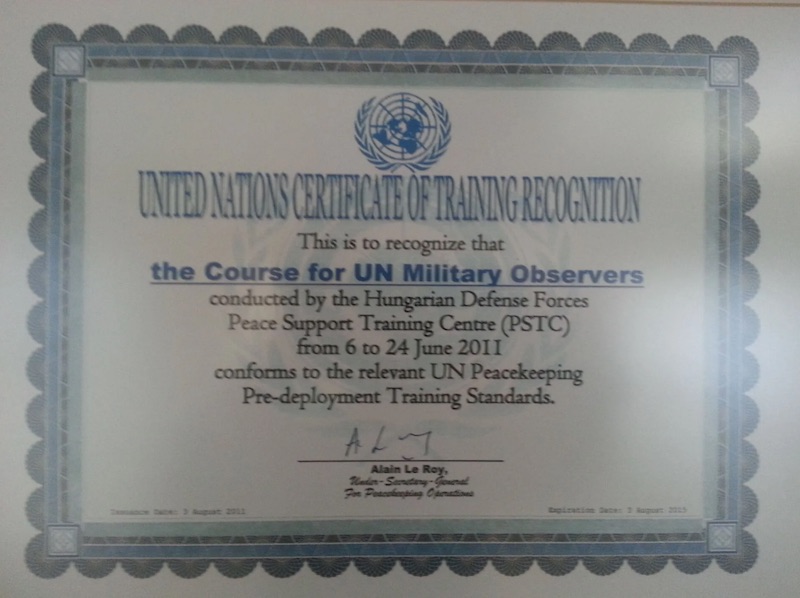
The diploma.
SPARTANAT is the online magazine for Military News, Tactical Life, Gear & Reviews.
Send us your news: [email protected]
Ad
similar
Get the weekly SPARTANAT newsletter.
Your bonus: the free E-Book from SPARTANAT.
