Get the weekly SPARTANAT newsletter.
Your bonus: the free E-Book from SPARTANAT.

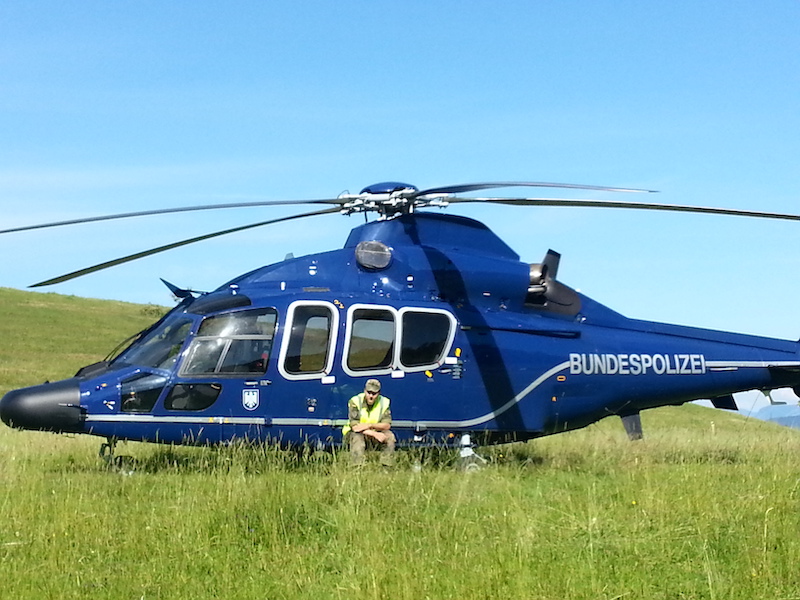
MILITARY OBSERVER WESTERN SAHARA: Helicopter patrol and fake tanks
Carsten Dombrowski of CAPSARIUS AKADEMIE shares his experiences as a Military Observer in the Western Sahara for 6 months. He details the training, challenges, and exercises faced during his deployment with vivid descriptions and images.

Carsten Dombrowski from the CAPSARIUS AKADEMIE - check out his website and sign up for the excellent "Callsign Doc" newsletter - was deployed as a Military Observer of the German Bundeswehr in the Western Sahara for six months. Here are his experiences:
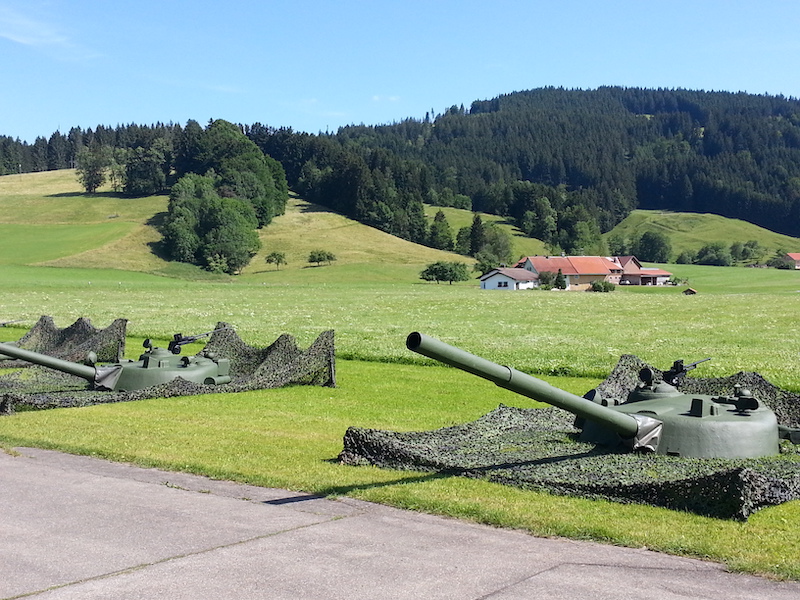
Tank decoys to represent military equipment.
Now, in the previous posts on this topic, I presented the training of a Bundeswehr military observer. With a total of nine weeks, this training differs in some ways significantly from the training of other nations. There may be many reasons for this, but I will not go into further detail on this here. The majority of UN observers come from countries classified in the 2nd to 3rd world spectrum. In the reports from the mission itself, I will repeatedly, with examples, point out sometimes sufficient to insufficient conditions of other nations.
I completed my module 5 in Hungary. Besides Hungary, Germans have the opportunity to go through this section in Switzerland, Austria, the Netherlands, Finland, and Turkey. In the next report, I will describe my training there.
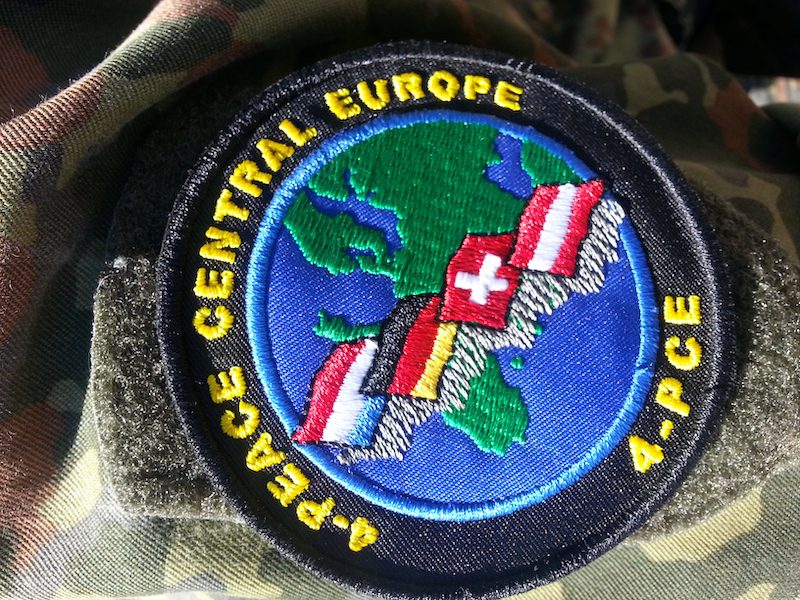
For most of the course participants from modules 1 to 4, module 5 concludes with the exercise "4 PCE" in June on Lake Constance or in October with the exercise "Blue Flag" in Franconia, completing the entire training. In a picturesque landscape, participants from various nations are divided into two team sides alongside the German comrades. This colorful mixed group must organize themselves and fulfill the tasks assigned to them.
First intercultural and interpersonal challenges have to be mastered. The missions themselves come from the vast repertoire of a military observer in a peacekeeping mission. Patrols need to be planned and conducted, checkpoints and military facilities need to be monitored, and as the overall situation escalates, appropriate security procedures need to be applied. The two exercises follow a script but also allow for some individual flexibility. To prevent the situations from spiraling out of control, German and international instructors are always present with the course participants. The 4 PCE and Blue Flag are open exercises, meaning the civilian population is more or less involved in the overall exercise. This is realistic but also leads to additional complications from time to time.
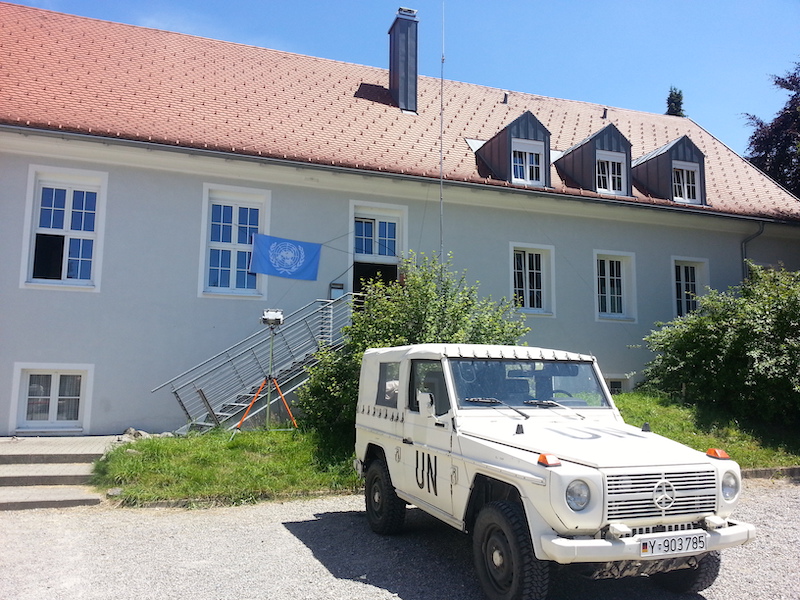
One team side of the UN observers
Facing the course participants are soldiers of the Bundeswehr who take on the role of one of the two conflicting parties. In military jargon, they are called SidaF (Soldier in a Representing Role, formerly simply role players). With - sometimes armored - large equipment and a wide range of training resources, very impressive scenarios are presented. Sometimes hardly distinguishable from reality for outsiders. In addition, there are members of the police and aid organizations. Each with their specific tasks according to the script. For the course participants, this provides an excellent opportunity to witness the situation's development in real-time and practice cooperation with GO (Governmental Organizations) or NGO (Non-Governmental Organizations).
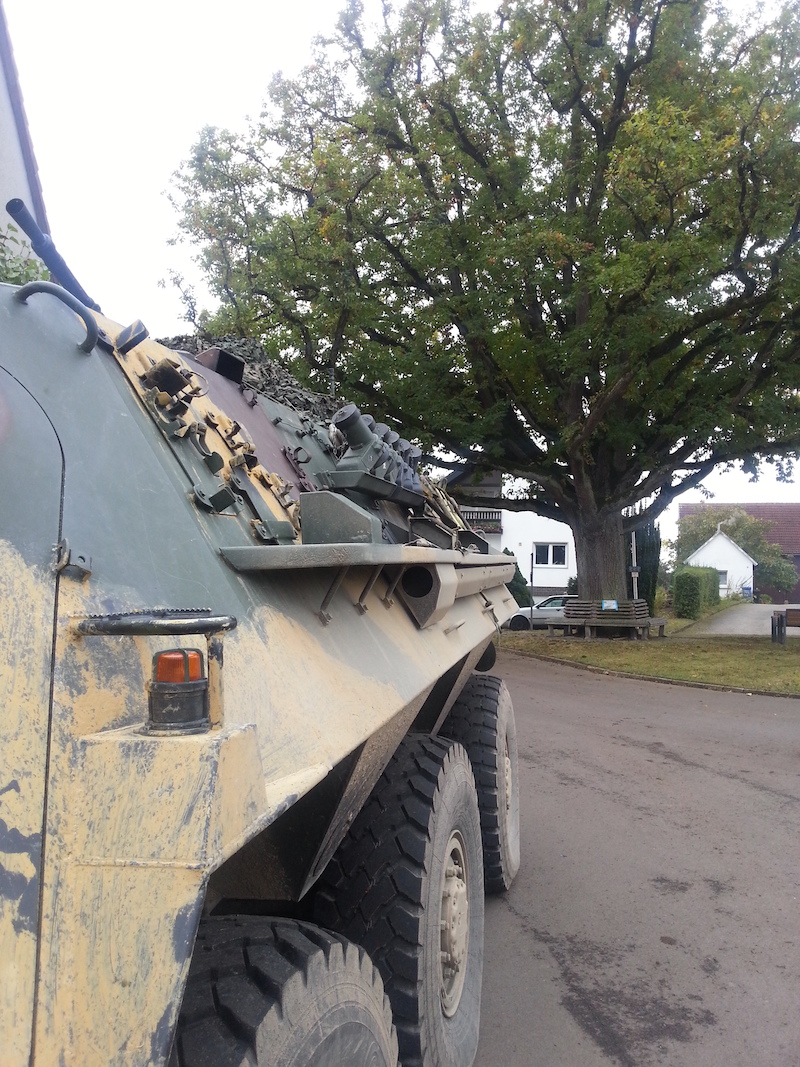
Bundeswehr vehicles of type Fuchs.
At the climax of the confrontation between the conflicting parties, nocturnal combat occurs. Here wounded individuals need to be treated, prisoners of war need to be monitored, and their exchange organized. All this alongside the latent threat of mines, UXOs, and other war-related chaos. Training couldn't get more realistic. With negotiation diplomacy, supported by the UN observers, this "conflict" comes to an end.
After three weeks of training and the final exercise, module 5 concludes with a dignified formation and the presentation of certificates to the proud course participants. The civilian population at Lake Constance perceives this ceremony very positively. All neighboring countries report on it on their press platforms.
Military Observer in the Western Sahara - for further reading:
Part 1: The Selection
Part: 2: The Training
Questions? Contact the CAPSARIUS ACADEMY by emailing [email protected] with the subject "Morocco".
Those who want to exclusively and automatically receive the Capsarius Academy newsletter, must sign up HERE. CALLSIGN DOC will then be sent via email. Past issues are available in the archive.
Capsarius Academy online: www.capsarius-akademie.com
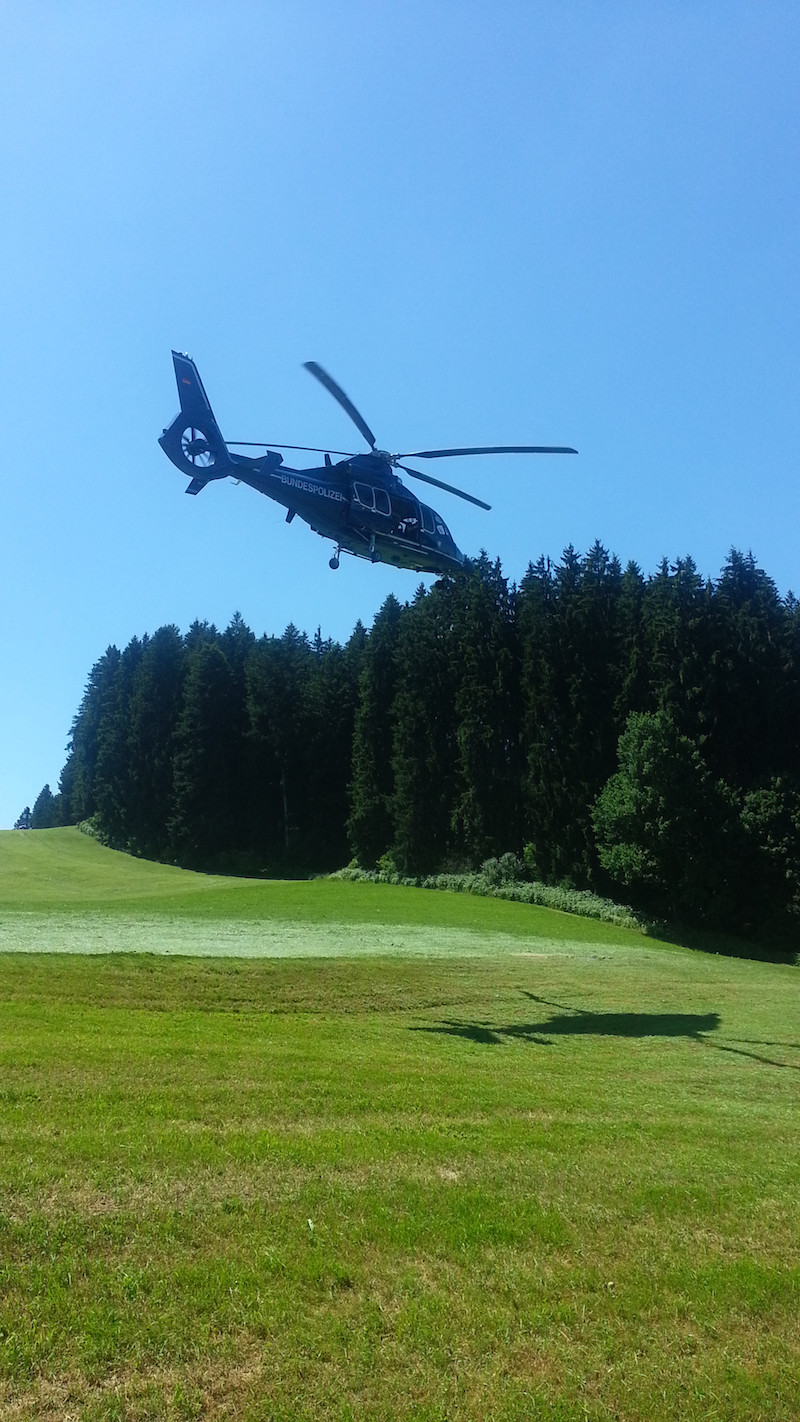
Featuring: EC 155 of the Federal Police.
SPARTANAT is the online magazine for Military News, Tactical Life, Gear & Reviews.
Send us your news: [email protected]
Ad
similar
Get the weekly SPARTANAT newsletter.
Your bonus: the free E-Book from SPARTANAT.
