Get the weekly SPARTANAT newsletter.
Your bonus: the free E-Book from SPARTANAT.


MILITARY OBSERVER WESTERN SAHARA: Driving in Western Sahara
Carsten Dombrowski, a military observer in the Western Sahara, shares insights into the strict regulations and diverse hazards of driving in this unique landscape. Despite various challenges, safety measures, including GPS monitoring and first aid training, ensure accident-free patrols.

Carsten Dombrowski - here is the homepage of his CAPSARIUS AKADEMIE, which provides you with the excellent "Callsign Doc" newsletter - was deployed as a military observer of the German Bundeswehr in the Western Sahara. Today, it's about driving in a UN mission and in a very special landscape:
If we take the official statistics from the WHO (World Health Organization), road traffic accidents are still the number one cause of possible deaths, especially among young people.
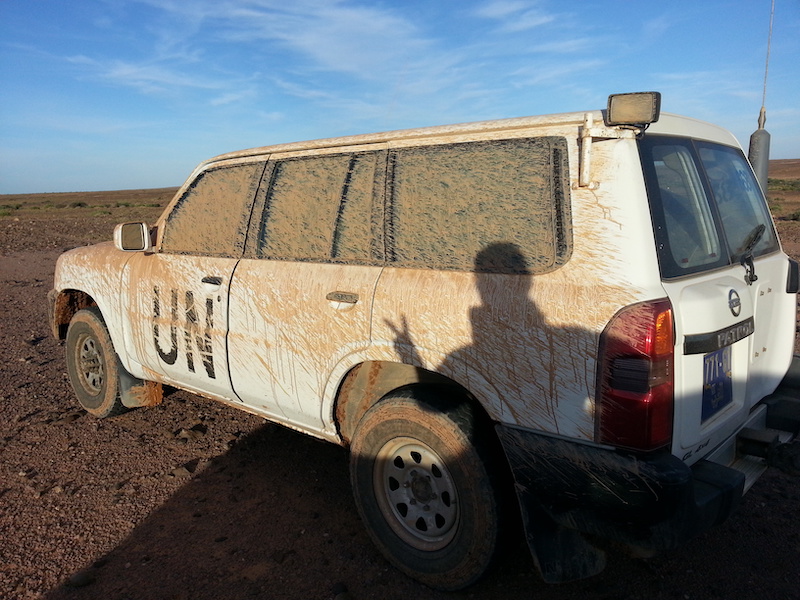
This statistic can also be applied with some adjustments to the traffic situation in the Western Sahara operational area. Even though the number of victims there, due to excessive speed, is hardly to be found. Nevertheless, as a patrol driver, it was not a question for me whether we would be involved in an accident situation in any way, but rather when it would happen.
Due to their experiences, the UN has very strict regulations for drivers.
In addition to the mandatory driving test, strict speed limits with drastic penalties for repeated violations are stipulated, among other rules. The vehicles are equipped with GPS-based electronics that enable continuous monitoring.
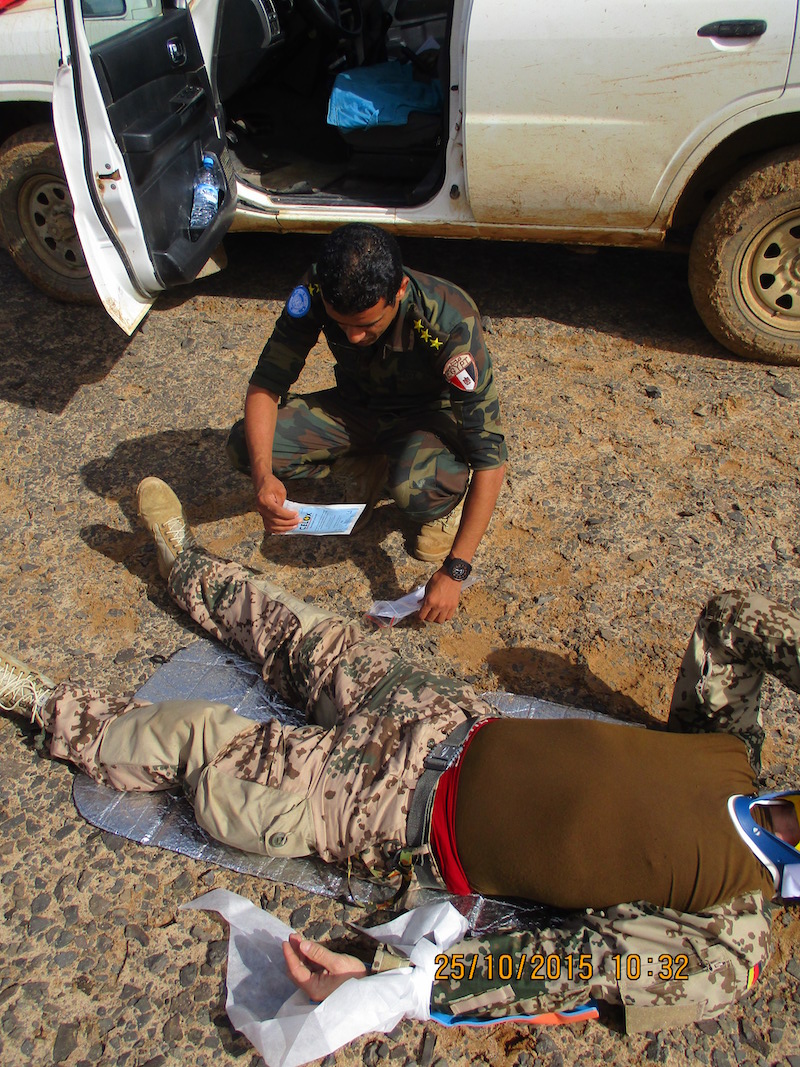
An important part of training in the host country is also providing first aid and care for accident victims. It is not surprising, I believe, that this, as with driving skills, there is a strong variance within the community of military observers.
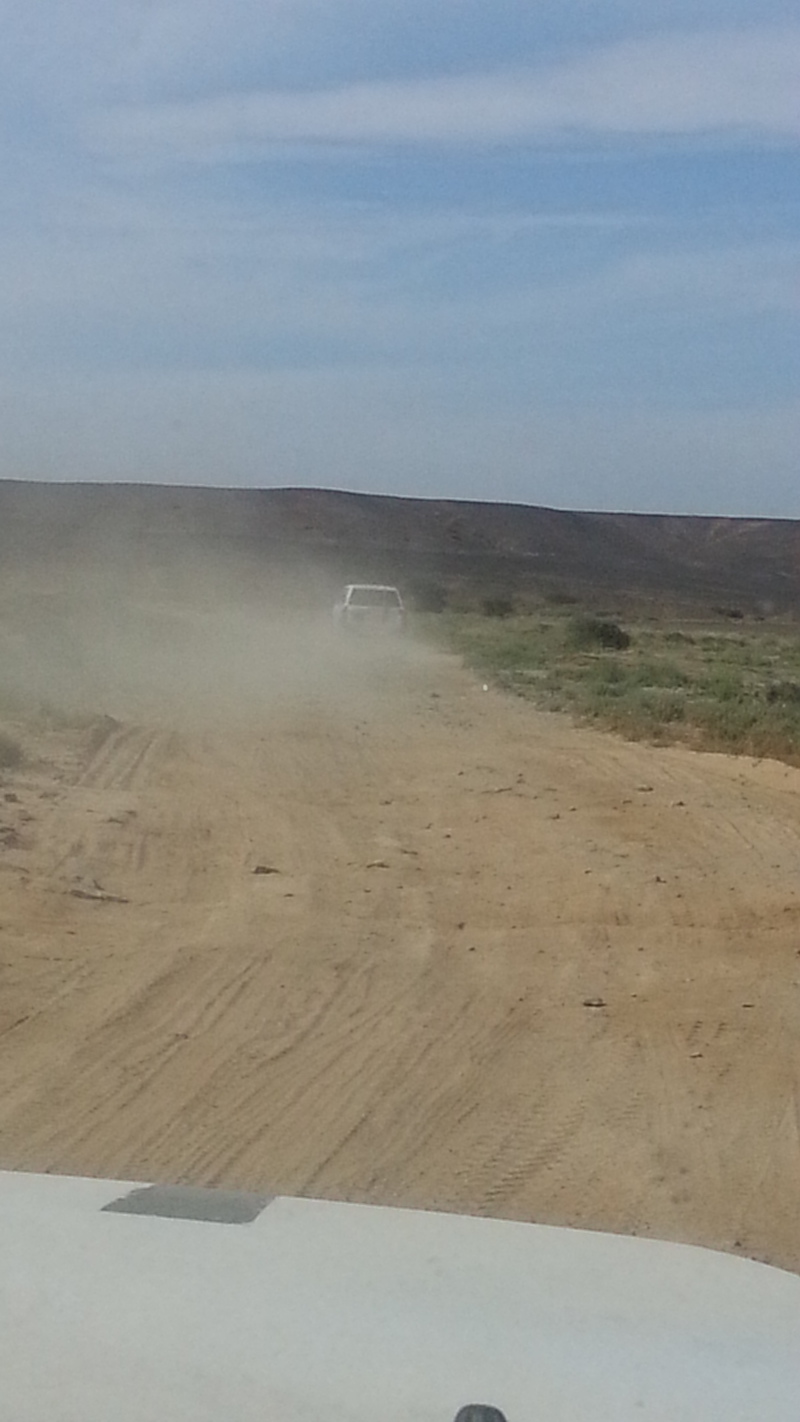
Despite all precautionary measures, the Sahara presents very diverse hazards. On the one hand, it is the monotonous boredom that can lead to fatal accidents with drowsy drivers experiencing microsleep. Partially, connecting roads from Mauritania or Mali lead high into the north through this area.
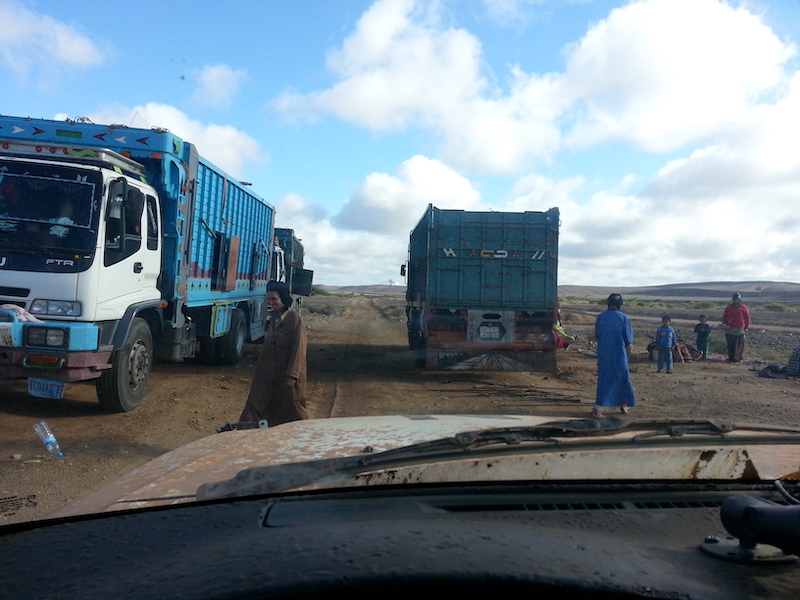
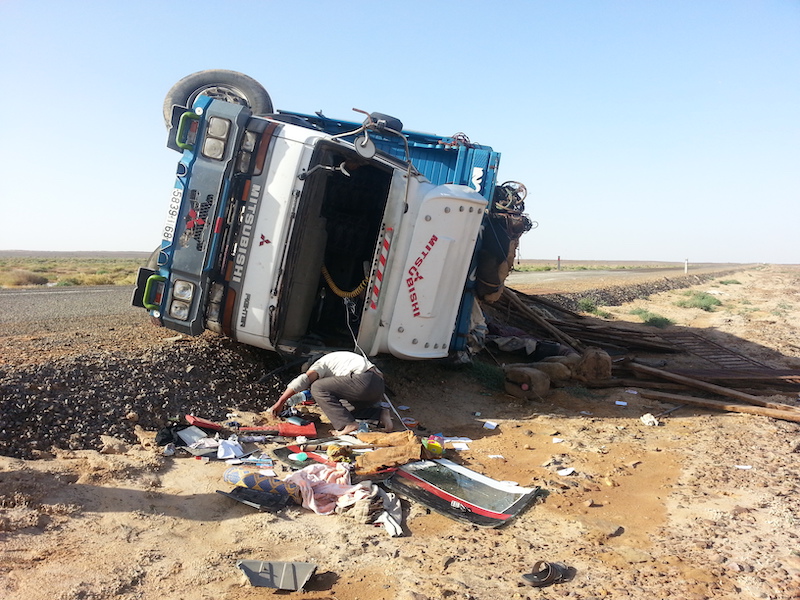
Accordingly, there are also heavy, overloaded trucks, so-called Dschingel trucks, on the road. It is only speculative about their technical condition. There are also local livestock transporters whose cargo areas can extend several meters high, and traffic or cargo securing seems different from my point of view. The above picture shows such a transporter overturned. The result was several dead sheep and three partially severely injured persons. I provided first aid as the other patrol units were rather passive. With a ratio of 3:1, a touch of Mascall quickly arises.
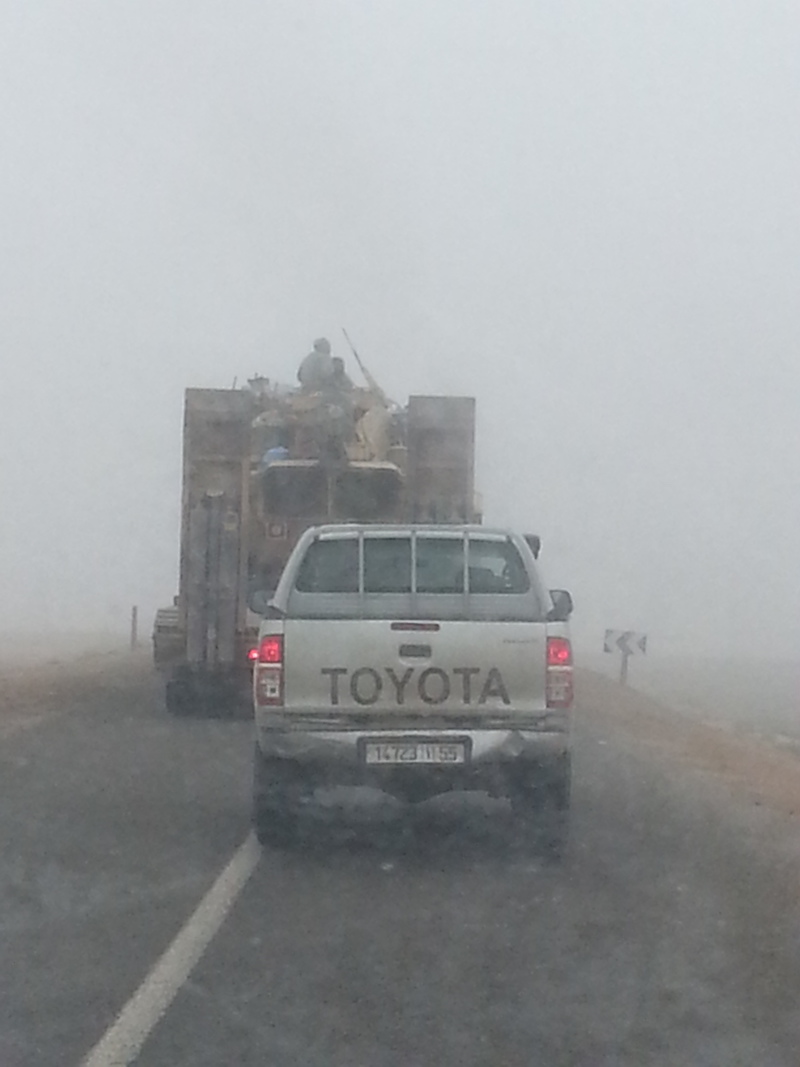
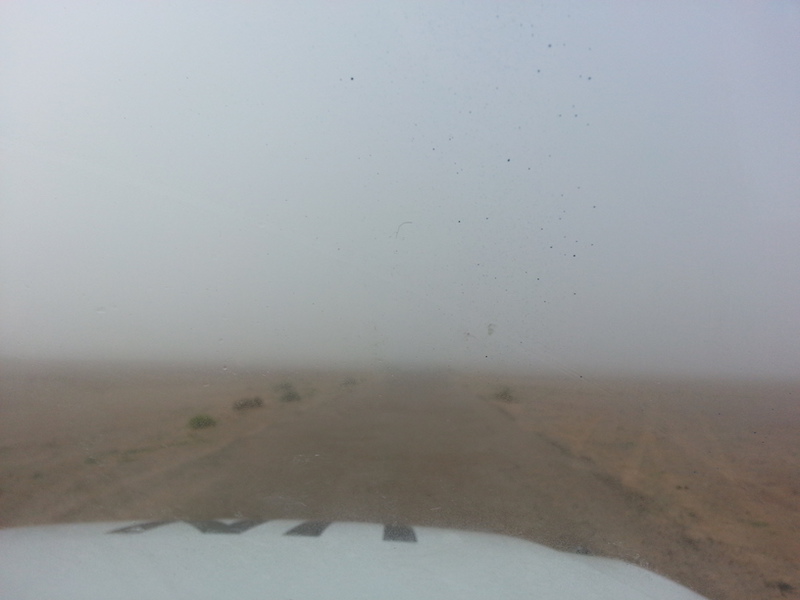
Furthermore, the weather conditions are also very variable. From monsoon-like rains (u.) in the rainy season, to sandstorms, and fog banks (l.). Everything is on offer.
However, the driving behavior of some drivers is rather inappropriate, just as the use of lighting systems is handled individually. One must be constantly vigilant, as distraction can be deadly.
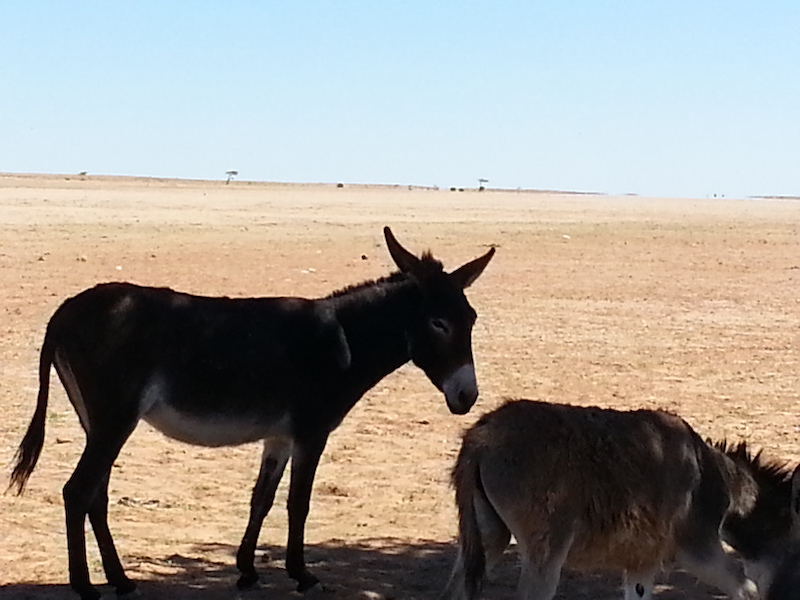
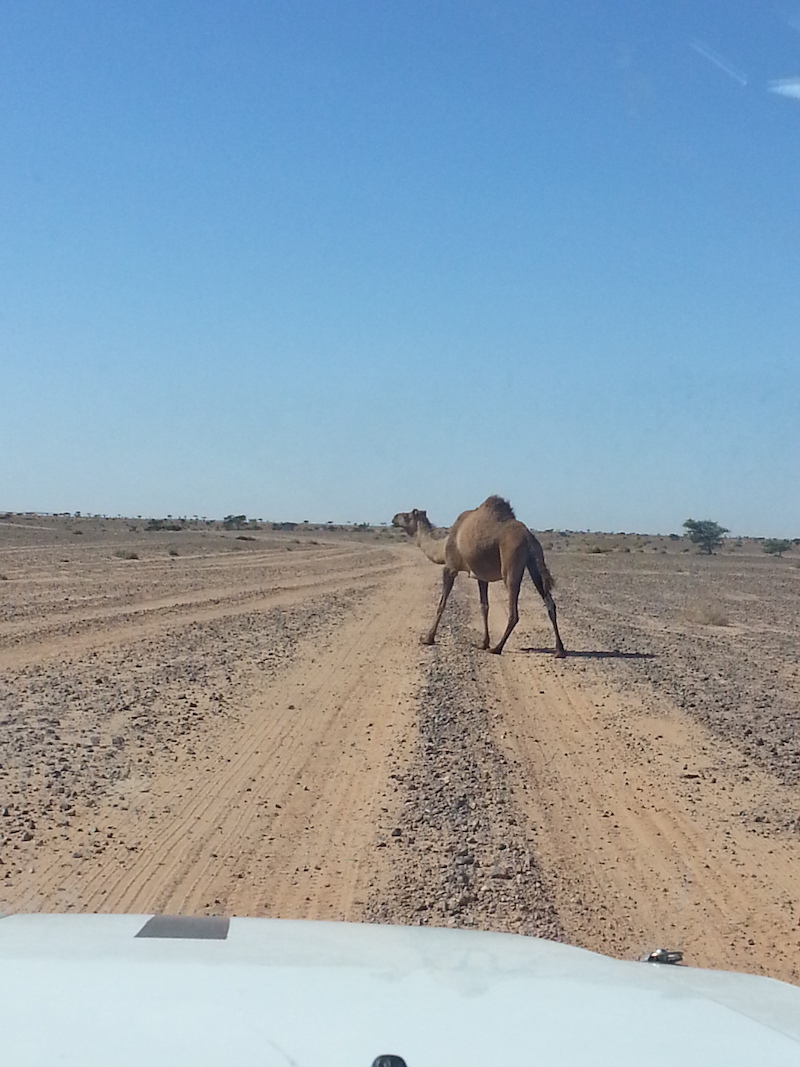
If all that wasn't enough, animals of all kinds roam freely across the tracks and roads. Therefore, wildlife accidents are also common, as confirmed by the animal carcasses on the side of the road. Donkeys (u.) or camels (l.) are body sizes not to be underestimated.
After about 10,000 kilometers of patrol in Western Sahara, Mauritania, and Southern Morocco, I am definitely glad to have come out accident-free except for a dent.
Military Observer in Western Sahara - for reading:
Part 1: The Selection
Part 2: The Training
Part 3: Helipatrol and False Tanks
Part 4: In the Land of Puszta and Magyars
Part 5: When German Soldiers Go Traveling
Part 6: Following the Dust
Part 7: Papa Lima with the Desert Hawks
Part 8: Air Patrol - the Desert from the Air
Part 9: Mines and Remnants of War
Part 10: Into the Dark
Part 11: Reaching the Common Goal with Diversity
Questions? Contact the CAPSARIUS AKADEMIE at our [email protected] with the subject "Morocco".
If you want to receive the Capsarius Akademie Newsletter exclusively and automatically, you must register HERE. CALLSIGN DOC will then arrive by mail. Old issues available in the archive.
CAPSARIUS AKADEMIE on the web: www.capsarius-akademie.com
SPARTANAT is the online magazine for Military News, Tactical Life, Gear & Reviews.
Send us your news: [email protected]
Ad
similar
Get the weekly SPARTANAT newsletter.
Your bonus: the free E-Book from SPARTANAT.
