Get the weekly SPARTANAT newsletter.
Your bonus: the free E-Book from SPARTANAT.

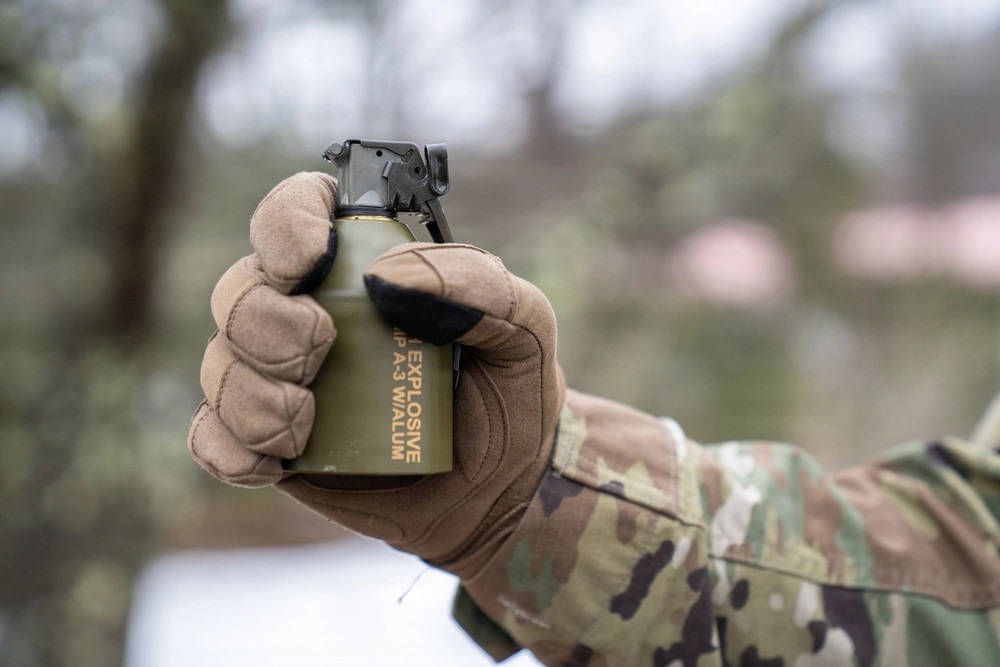
M111 - The new hand grenade
The U.S. Army has approved the M111 Offensive Hand Grenade (OHG) for Full Material Release, replacing the Mk3A2 grenade. With a plastic body that enhances safety and effectiveness in urban environments, the M111 uses blast overpressure for lethality. It also standardizes training processes and shares components with existing grenades.

The U.S. Army has cleared the M111 Offensive Hand Grenade (OHG) for Full Material Release (FMR). Developed by the Capabilities Program Executive Ammunition and Energetics (CPE A&E), in conjunction with the U.S. Army Combat Capabilities Development Command (DEVCOM) Armaments Center at Picatinny Arsenal, the M111 OHG will replace the obsolete body and fuze of the Mk3A2 hand grenade series, marking the first new lethal hand grenade to achieve FMR since 1968 when the Mk3A2 entered service. The Mk3A2 is restricted for use due to its asbestos body unlike the M111 which utilizes a plastic body that is fully consumed during detonation.
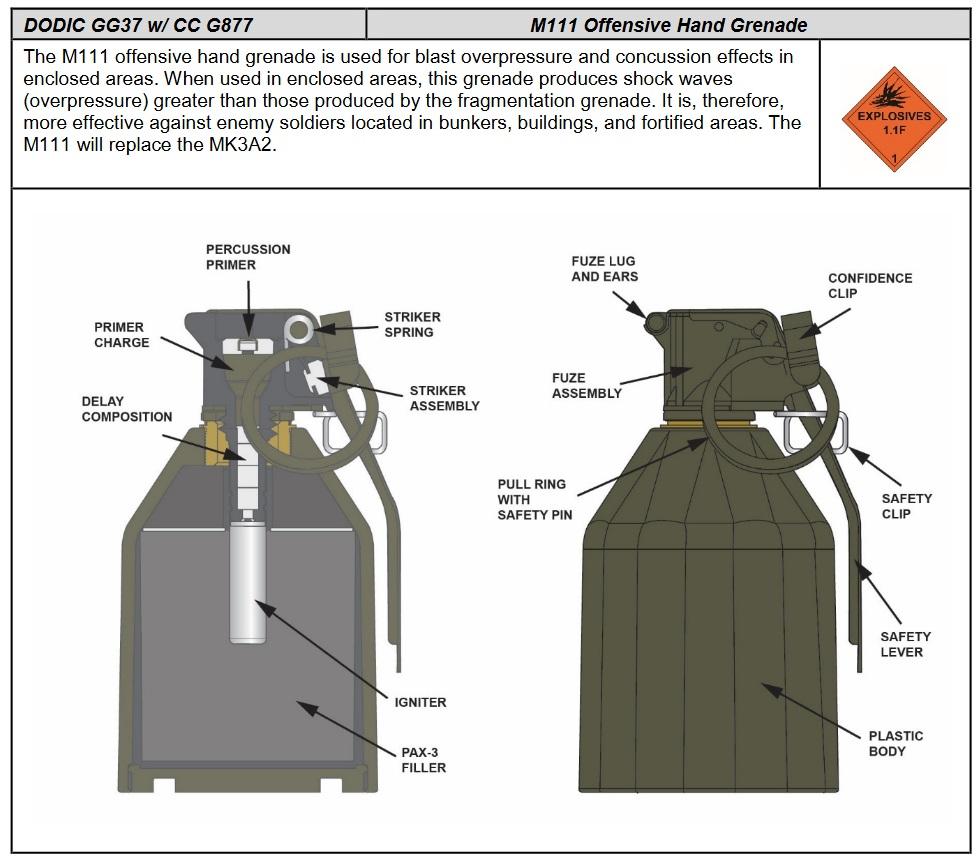
The M111 will provide increased training and operational readiness while providing the Soldier with a safer option. It also offers Soldiers the ability to fight more effectively in closed quarter urban environments by leveraging blast overpressure (BOP) instead of fragmentation to deliver lethality. When used in grenades, BOP delivers devastating effects to enemy personnel and equipment without fragmentation and is a potent tactical advantage in the field.
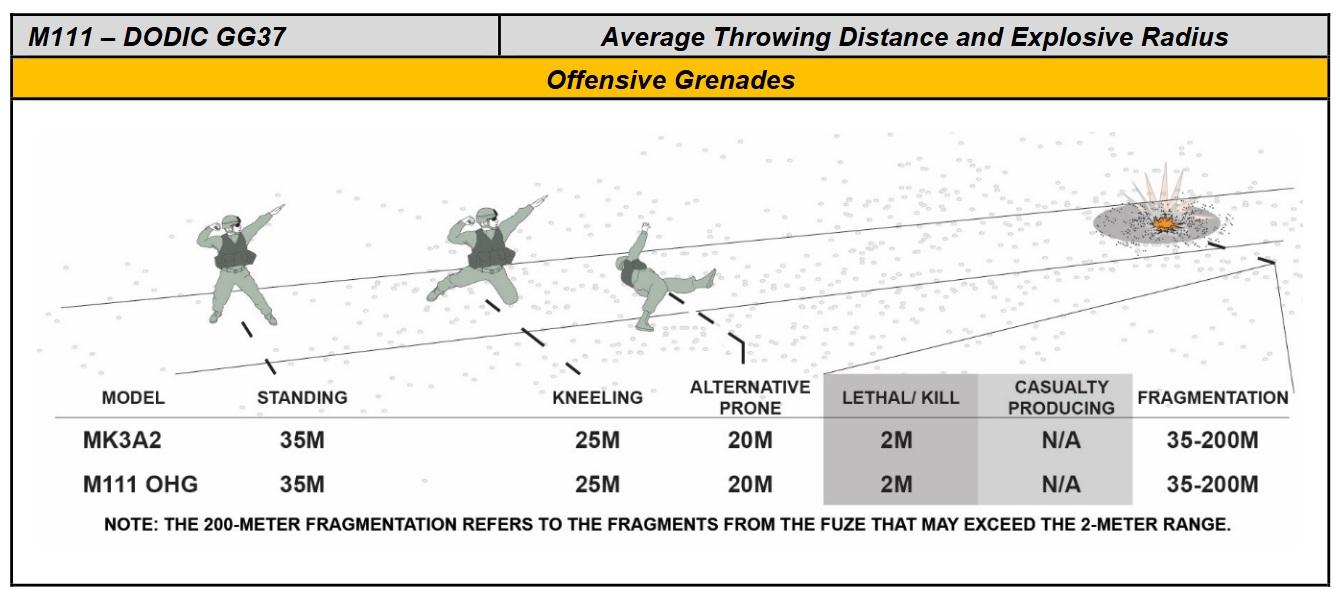
In open terrain, the Soldier will employ the M67 to maximize lethal fragment effects, whereas in enclosed and restricted terrain, Soldiers will employ the M111 to maximize BOP effects on the enemy.
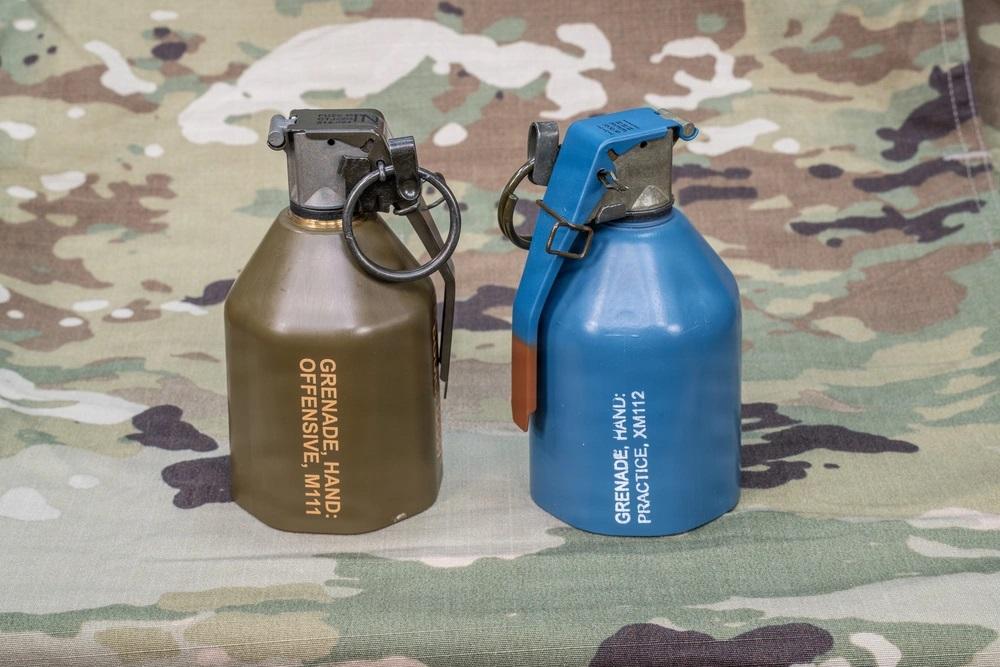
Another major benefit of the new M111 design is standardization. The new grenade and its training version, the M112, leverage the same five-step arming process as the M67 and its training version, the M69, allowing Soldiers to train as they fight, improving combat performance and effectiveness. In addition, the M111 and M112 use the same fuzes as the M67 and M69 respectively, thereby enabling Army acquisition professionals to save costs by leveraging economies of scale made possible by common fuze production lines when sourcing both grenades. Both grenades also have government-owned intellectual property that enables the Army to effectively compete production contracts across the industrial base, enhancing production opportunities for multiple vendors.
SPARTANAT is the online magazine for Military News, Tactical Life, Gear & Reviews.
Send us your news: [email protected]
Ad
similar
Get the weekly SPARTANAT newsletter.
Your bonus: the free E-Book from SPARTANAT.
