We tell you something.
Sign up for the newsletter now!
NEWSLETTER
Get the weekly SPARTANAT newsletter.
Your bonus: the free E-Book from SPARTANAT.


Books & Media
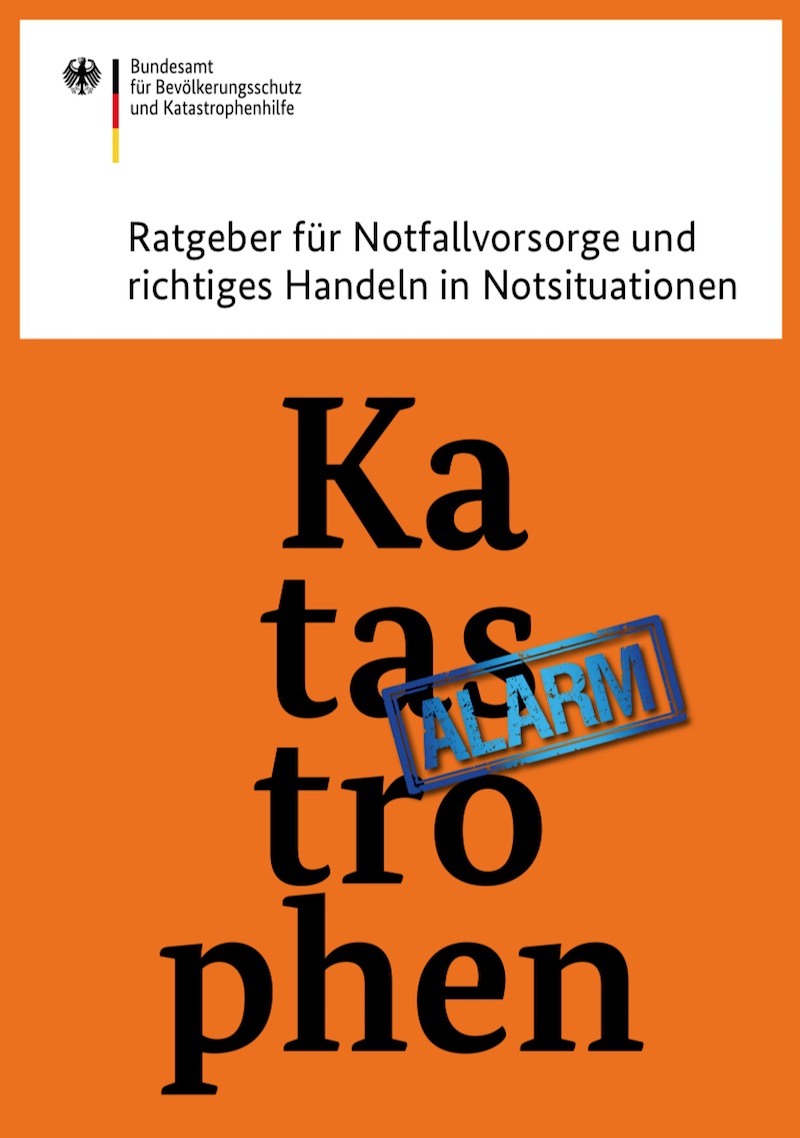
READING MATERIAL: Time for civil defense
This guide by the Federal Office for Civil Protection and Disaster Assistance offers tips for preparing for emergencies like accidents, fires, floods, and CBRN hazards. It emphasizes the importance of personal emergency preparedness in times of crisis.
03/15/2020 By Redaktion

SPARTANAT is the online magazine for Military News, Tactical Life, Gear & Reviews.
Send us your news: [email protected]
Ad
similar
We tell you something.
Sign up for the newsletter now!
NEWSLETTER
Get the weekly SPARTANAT newsletter.
Your bonus: the free E-Book from SPARTANAT.
