Get the weekly SPARTANAT newsletter.
Your bonus: the free E-Book from SPARTANAT.

Together for the Baltic States
Germany and the Netherlands are establishing a second NATO Corps Headquarters to enhance command capability in the Baltics. The 1st German-Dutch Corps will take responsibility for land operations in Estonia and Latvia from July 1, 2026, focusing on deterrence and collective defense while maintaining close cooperation with the Multinational Corps Northeast.

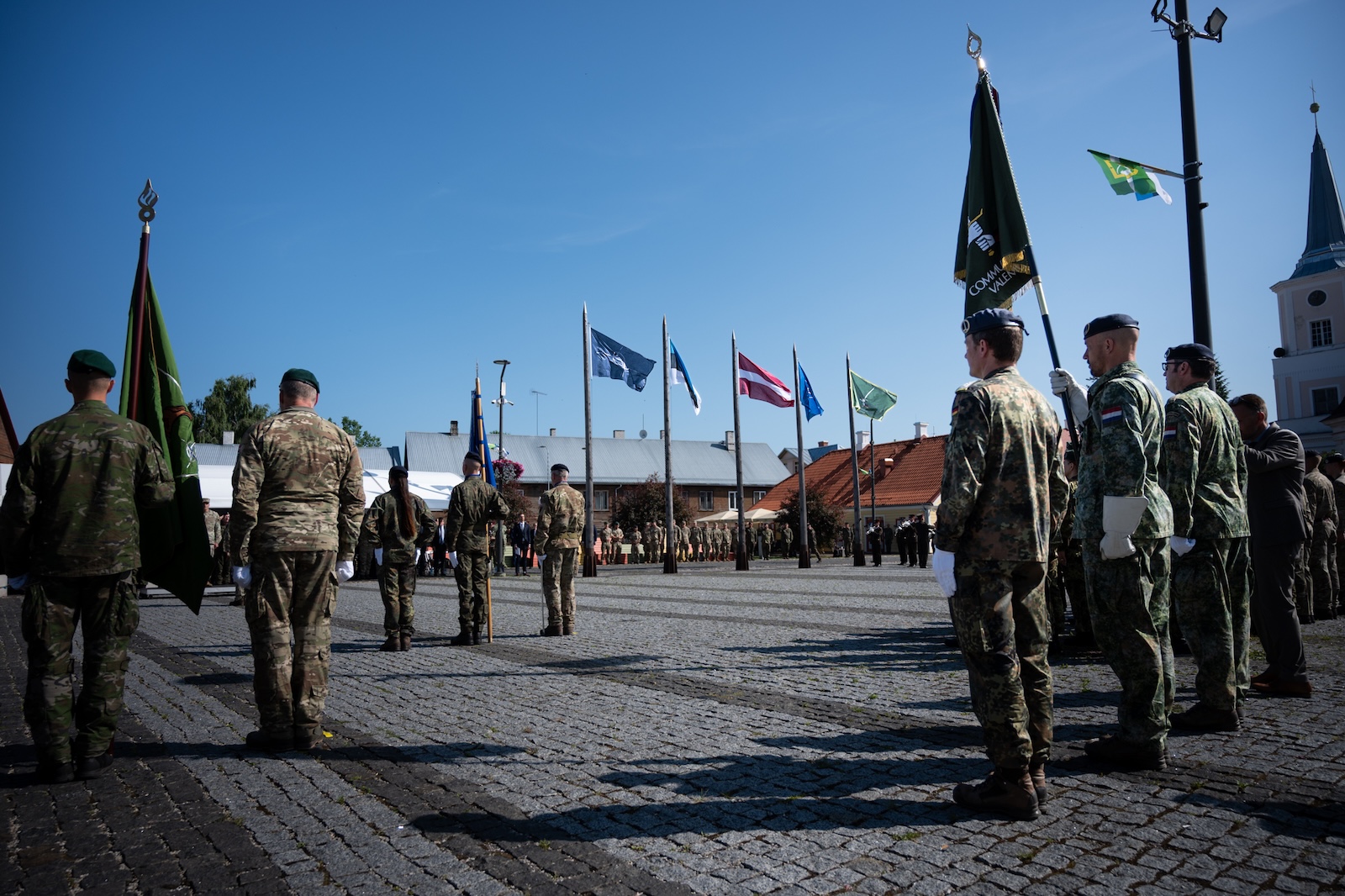
Germany and the Netherlands are establishing a second Corps Headquarters for NATO's eastern flank - more command capability in the Baltics, higher readiness within the alliance. The 1st German-Dutch Corps (1GNC), stationed in Münster, takes on tactical command responsibility for land operations in Estonia and Latvia. During a military ceremony in the Estonian-Latvian border town of Valga/Valka, the Multinational Corps Northeast transferred responsibility for this area to the German-Dutch Corps on Tuesday. This provides NATO with a second tactical Corps Headquarters on its eastern flank. The new structure will come into effect on July 1, 2026.
In the event of defense, 1GNC will command NATO and national land forces in Estonia and Latvia. The Corps plans and leads exercises, prepares regional defense plans, and integrates incoming reinforcement forces. Within NATO's command structure, it will lead the Estonian Division and the Multinational Division North. Estonia and Latvia retain national responsibility for their armed forces.
"With this transfer, we take on clear responsibility for Estonia and Latvia," said Lieutenant General Peter Mirow, Commander of the 1 German-Netherlands Corps. "We lead the forces provided here, prepare their cooperation, and integrate reinforcements quickly. Whoever wants to defend Estonia and Latvia must be able to lead on the ground - that is exactly what we do. Estonia and Latvia can rely on the alliance."
The Corps does not replace the Multinational Corps Northeast. Both headquarters will henceforth be responsible for different areas of NATO's northeastern flank and will work closely together. The transfer is part of the NATO Force Model, with which the alliance maintains more forces in higher readiness to respond more quickly. For 1GNC, the focus is thus further shifting towards deterrence and collective defense on the eastern flank.
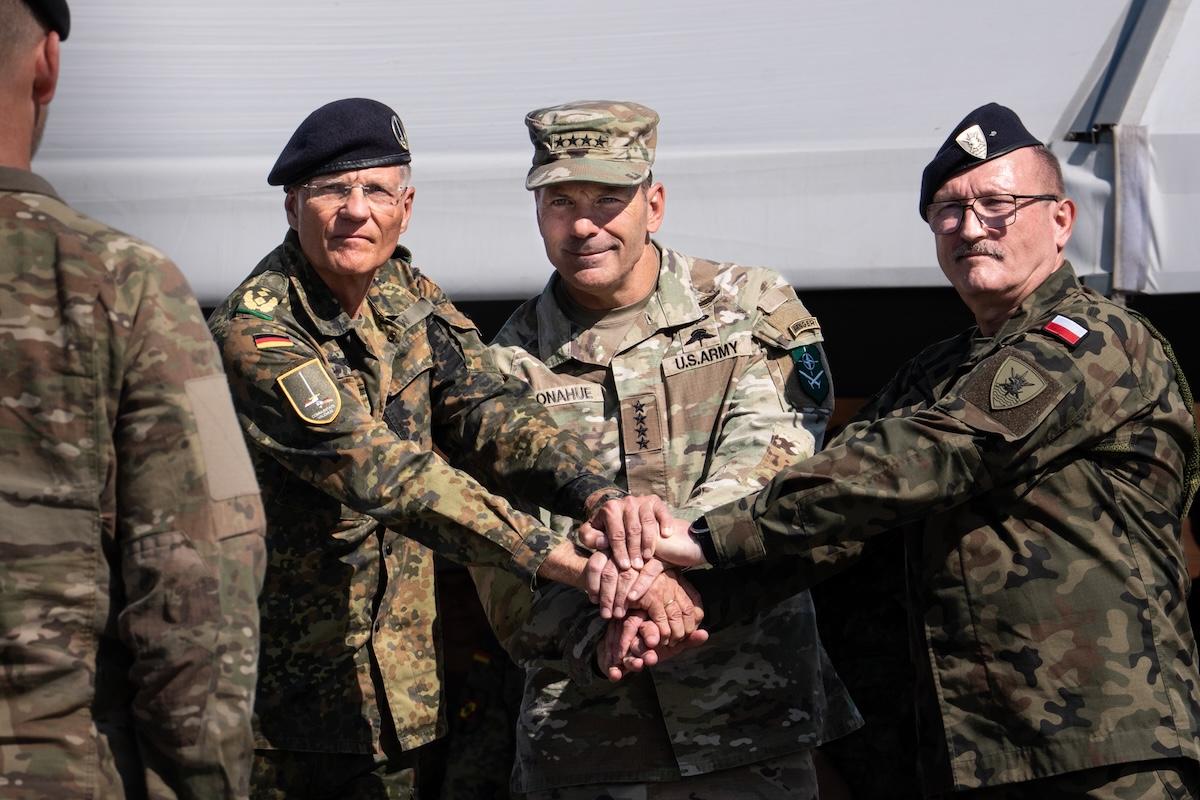
During the ceremony, Lieutenant General Dariusz Parylak, Commander of the Multinational Corps Northeast, transferred responsibility to Lieutenant General Peter Mirow. Present were, among others, German Defense Minister Boris Pistorius, Dutch Defense Minister Dilan Yesilgöz, and Commander of the Allied Joint Force Command General Ingo Gerhartz.
The headquarters will remain in Münster, but will be deployed more frequently in Estonia and Latvia for exercises, planning, and command tasks.
The transfer took place consciously in Valga/Valka, directly on the border between Estonia and Latvia. The merged town is called Valga on the Estonian side and Valka on the Latvian side. Despite the state border, it forms a common urban area - symbolizing the close cooperation of both NATO states.
Background
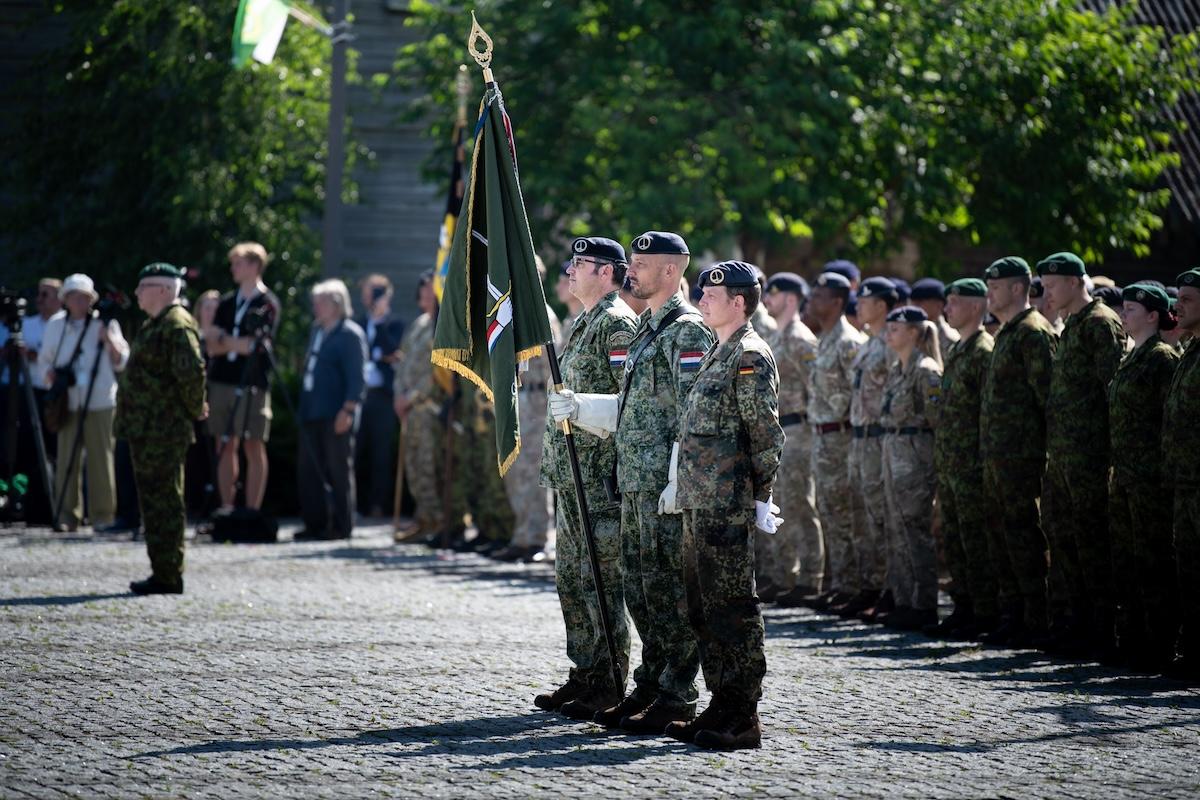
1 German-Netherlands Corps is a multinational NATO headquarters based in Münster. It can lead a multinational force of around 50,000 soldiers in both peace and crisis situations. In addition to Germany and the Netherlands, personnel are provided by 14 other NATO states. Germany and the Netherlands take turns leading the Corps; until early 2028, the command rests with Germany. Since March 2025, Lieutenant General Peter Mirow has been Commander.
The Corps has, among other missions, repeatedly led the NATO-led International Security Assistance Force (ISAF) in Afghanistan and was on standby as part of the NATO Response Force (NRF) from 2005 to 2024.
SPARTANAT is the online magazine for Military News, Tactical Life, Gear & Reviews.
Send us your news: [email protected]
Ad
similar
Get the weekly SPARTANAT newsletter.
Your bonus: the free E-Book from SPARTANAT.
