Get the weekly SPARTANAT newsletter.
Your bonus: the free E-Book from SPARTANAT.

Forgotten Female Soldiers
The book *Forgotten Female Soldiers* by historian Karen Hagemann explores the often overlooked roles of women in military history from the 16th century to the present. It challenges traditional views that relegated women to helper roles, highlighting their significant contributions as soldiers in various capacities across European armies.

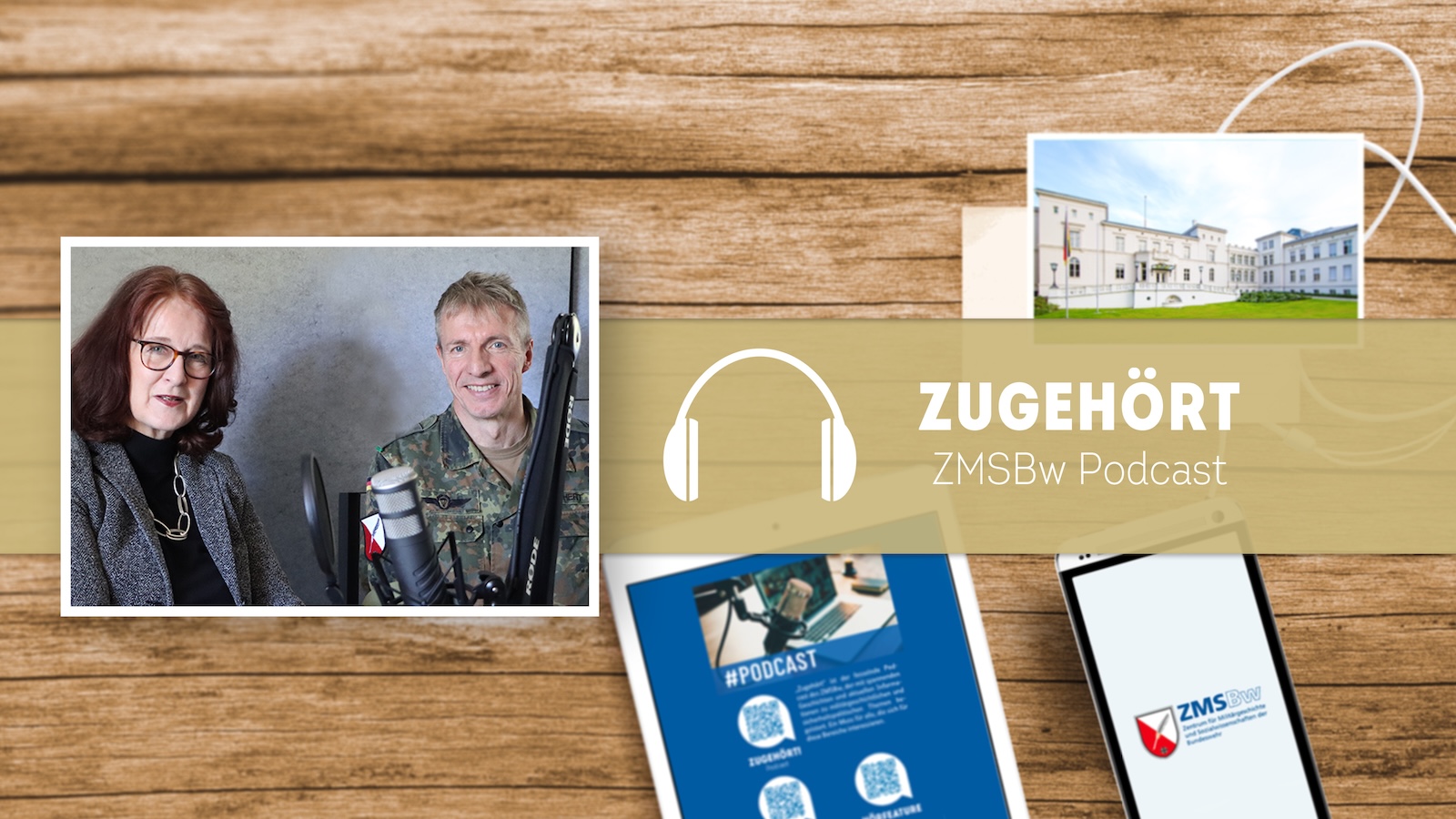
Women have always been a part of military and war history. A seminal book titled *Forgotten Female Soldiers* has now been published, examining the extent to which women have “held their own” in Europe’s wars since the 16th century. Senior Staff Sergeant Gerrit Reichert speaks with the author, historian Karen Hagemann.
The general image of war is masculine. For the modern era, from the 17th century to the present day, the archetype of the soldier is a fighting man. Whether on horseback, on foot, in motorized vehicles, on water, or in the air, women had no place in the general culture of remembrance. Exceptions such as Joan of Arc in France or Friederike Krüger in Germany—after whom the Hindenburg Barracks in Münster were renamed last year—only served to confirm this rule as exceptions. The historical facts, however, tell a different story. Men never fought alone, but with women behind them, and sometimes even at their side. A span from the 17th to the 20th century saw women in all European armies assigned a significant role within the military structure and an ever-increasing range of responsibilities. This included uniforms, military subordination, soldiers’ pay, and, at times, combat deployment.
Women at and Behind the Front Lines
Thus, in the supply columns and trains of the European armies of the 17th and 18th centuries, women carried out what we today call “logistics.” They transported supplies, dug entrenchments, or organized field kitchens, which could include providing for soldiers on the front lines. Even at this early stage, sources confirm that women wore the uniforms of their respective units and were armed during operations on the battlefield. Women received their first full—albeit brief—recognition as soldiers in 1792, when they were officially designated “Femme Soldats” during the French Revolution. In the 19th century, the military medical services—which had been developing rapidly since the Crimean War (1853–1856)—would have been unthinkable without the massive deployment of women. During the world wars of the 20th century, women served as combat troops in Russia and in the Polish Home Army, the Armia Krajowa. In all other armies, women served in communications, medical services, administration, logistics, and air defense; as pilots, drivers, auto mechanics, welders, or mechanics; in more than 130 traditionally male military roles.
Deliberate Provocation
With the book title “Forgotten Female Soldiers,” she deliberately sought to provoke, says author and podcast guest Prof. Dr. Karen Hagemann. The title aims to break with a tradition of thought that for centuries has assigned women in military service the role of “helper,” but not that of soldier. But what, for example, distinguished the medical soldier at the bedside from the “helper”? Actually, nothing. Or what distinguished the 160,000 German “anti-aircraft helpers” from the “anti-aircraft soldiers”? The book provides the answer: likewise, nothing. That is why the book’s title is not only a provocation but also a legitimate statement.
The ZMSBw podcast episode is available on Apple Podcasts, Spotify, YouTube, or the ZMSBw website.
SPARTANAT is the online magazine for Military News, Tactical Life, Gear & Reviews.
Send us your news: [email protected]
Ad
similar
Get the weekly SPARTANAT newsletter.
Your bonus: the free E-Book from SPARTANAT.
