Get the weekly SPARTANAT newsletter.
Your bonus: the free E-Book from SPARTANAT.

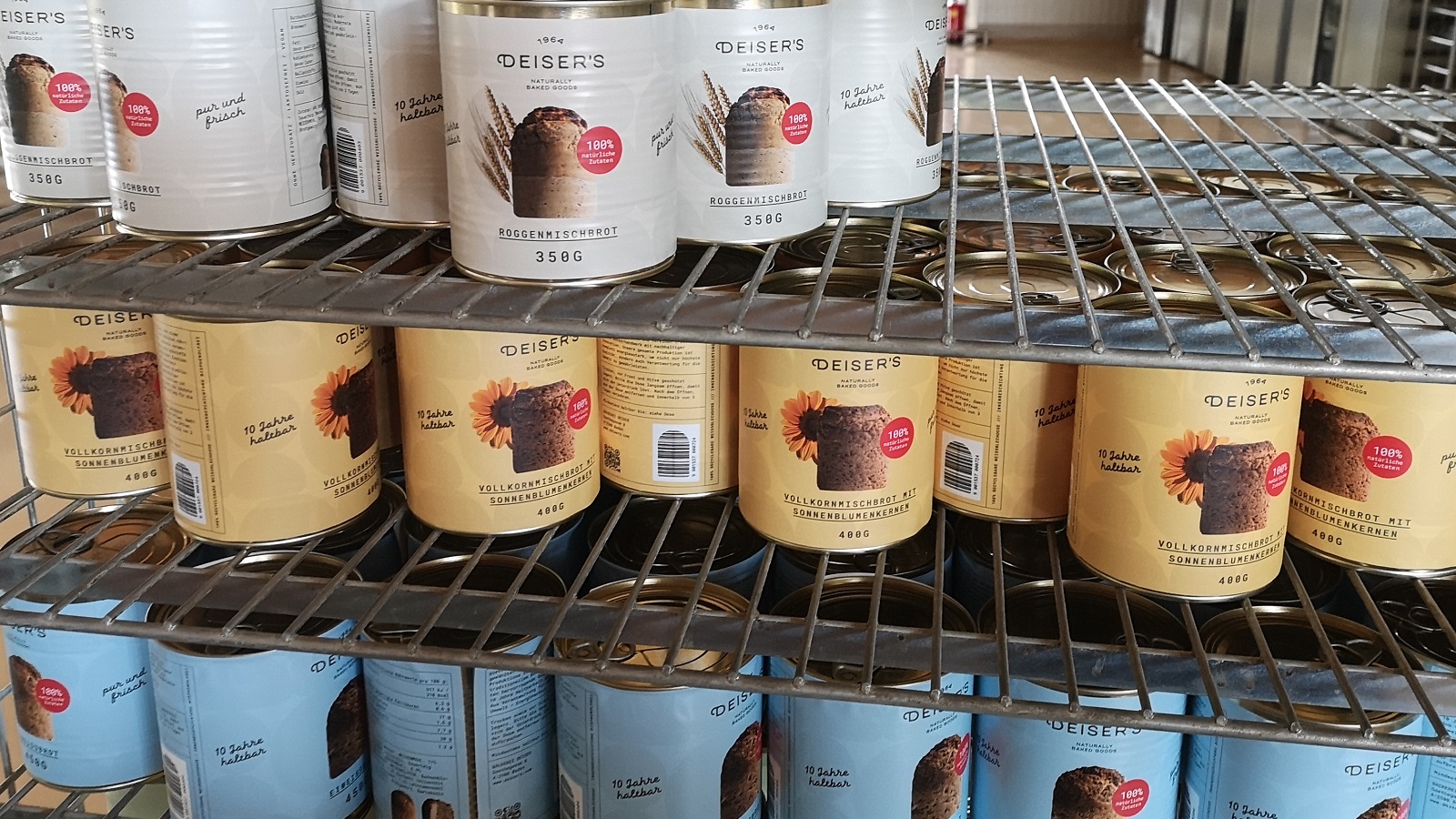
DEISER'S - How does the bread get into the can?
DEISER'S canned bread from Austria is crafted through a meticulous process that retains its delicious flavors. The bread is made with high-quality ingredients and baked in cylindrical molds. After baking, it is sealed hot in cans, allowing it to self-cook and eliminating the need for pasteurization, resulting in a long shelf life.

Canned bread from DEISER'S from Austria is something amazing and incredibly delicious. We visited the bakery near Vienna and were able to see firsthand how the bread and cakes are put into the cans. Let's get started.
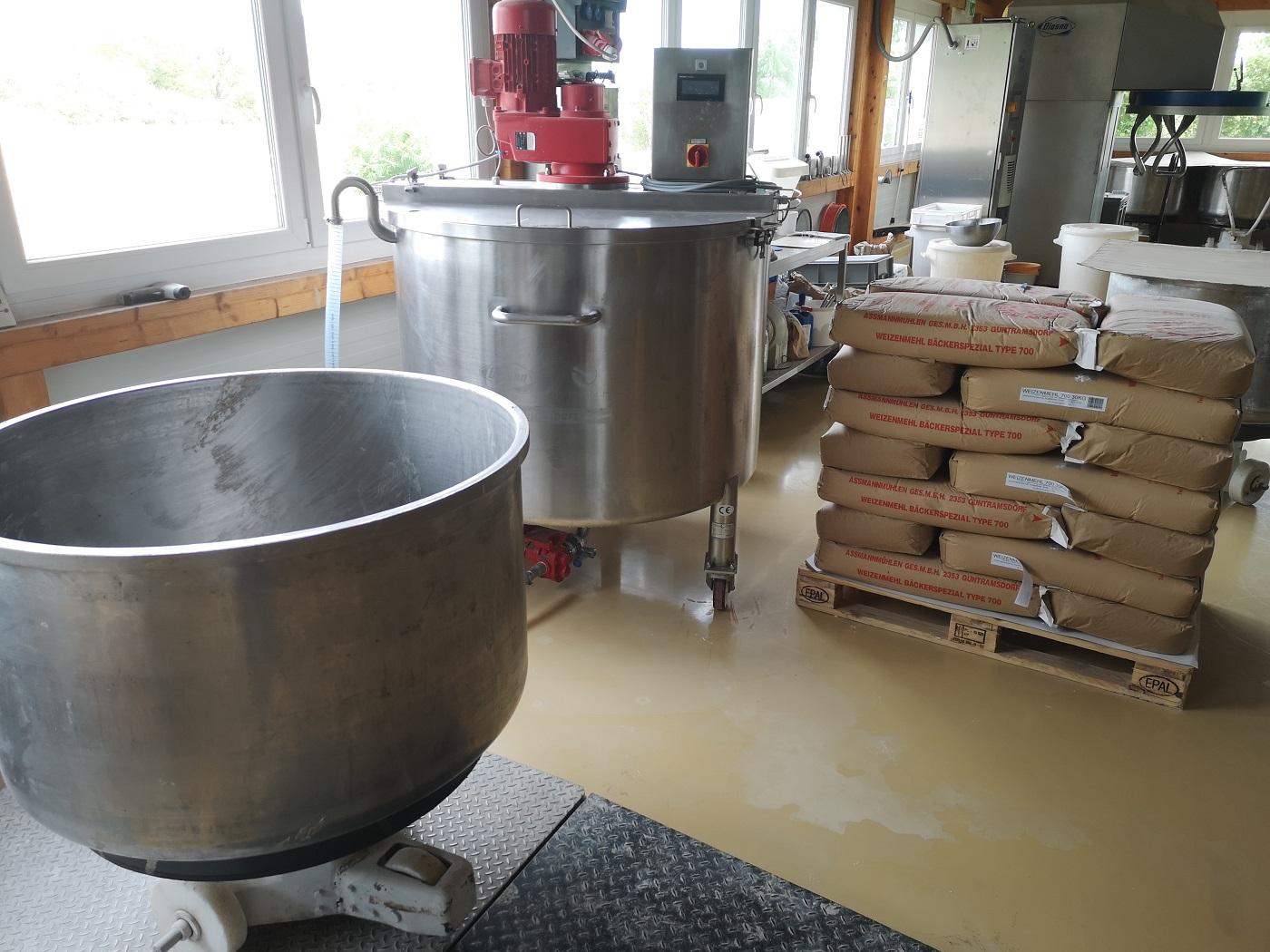
It all starts with the grain, or the kernels. At DEISER'S, thanks to solar energy and storage batteries, the entire bakery can operate autonomously even during a blackout. Therefore, they also have the option to produce their own flour and grain meal, just in case. However, they usually rely on already STEINMETZ cleaned ready-made meal and flour. The flour is mixed with water and then it’s time for a break, because the dough needs to develop, or in baker's terms, the dough needs to rise.
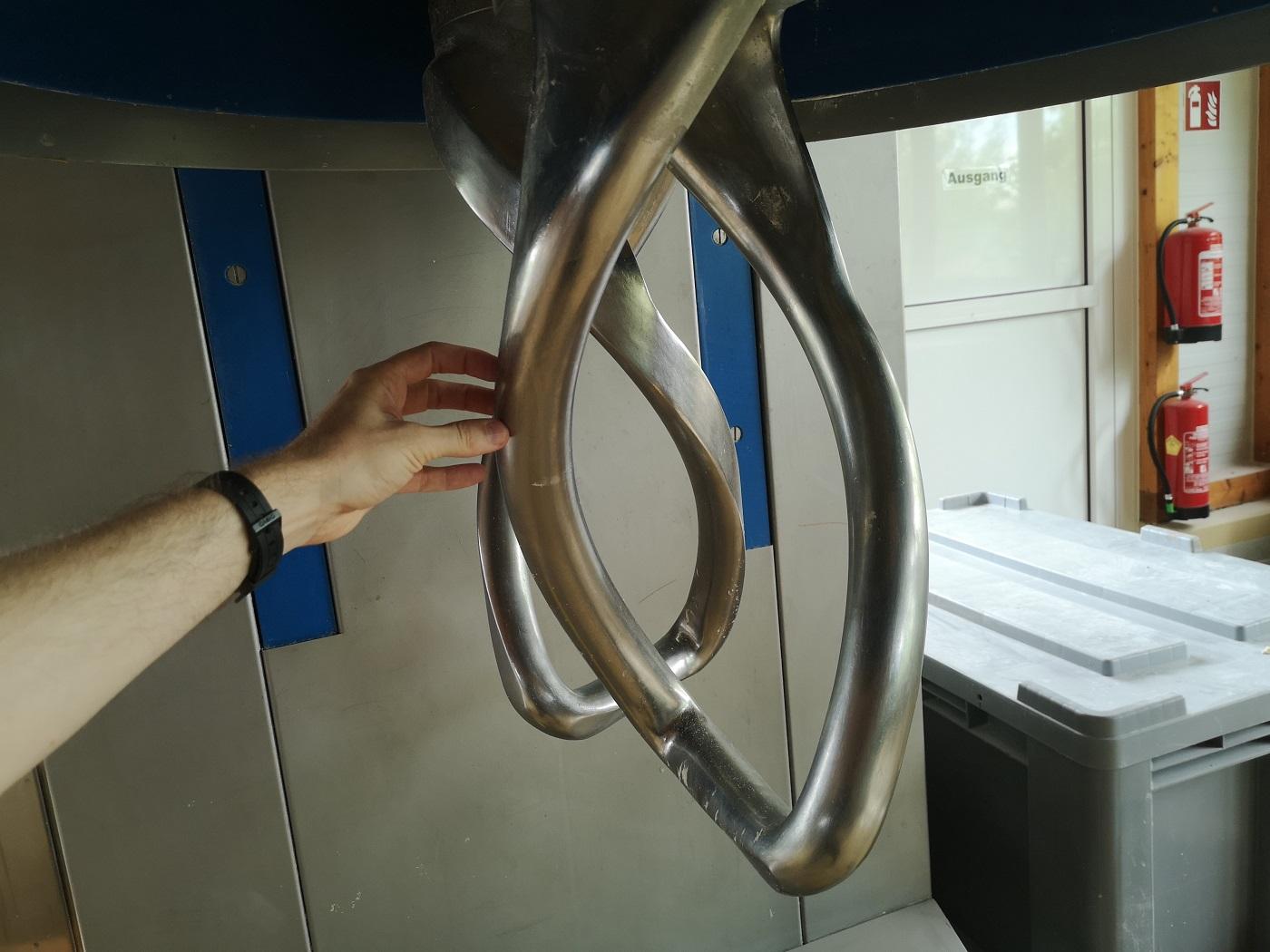
Next, it's time for the dough kneader. We just love big industrial machines.
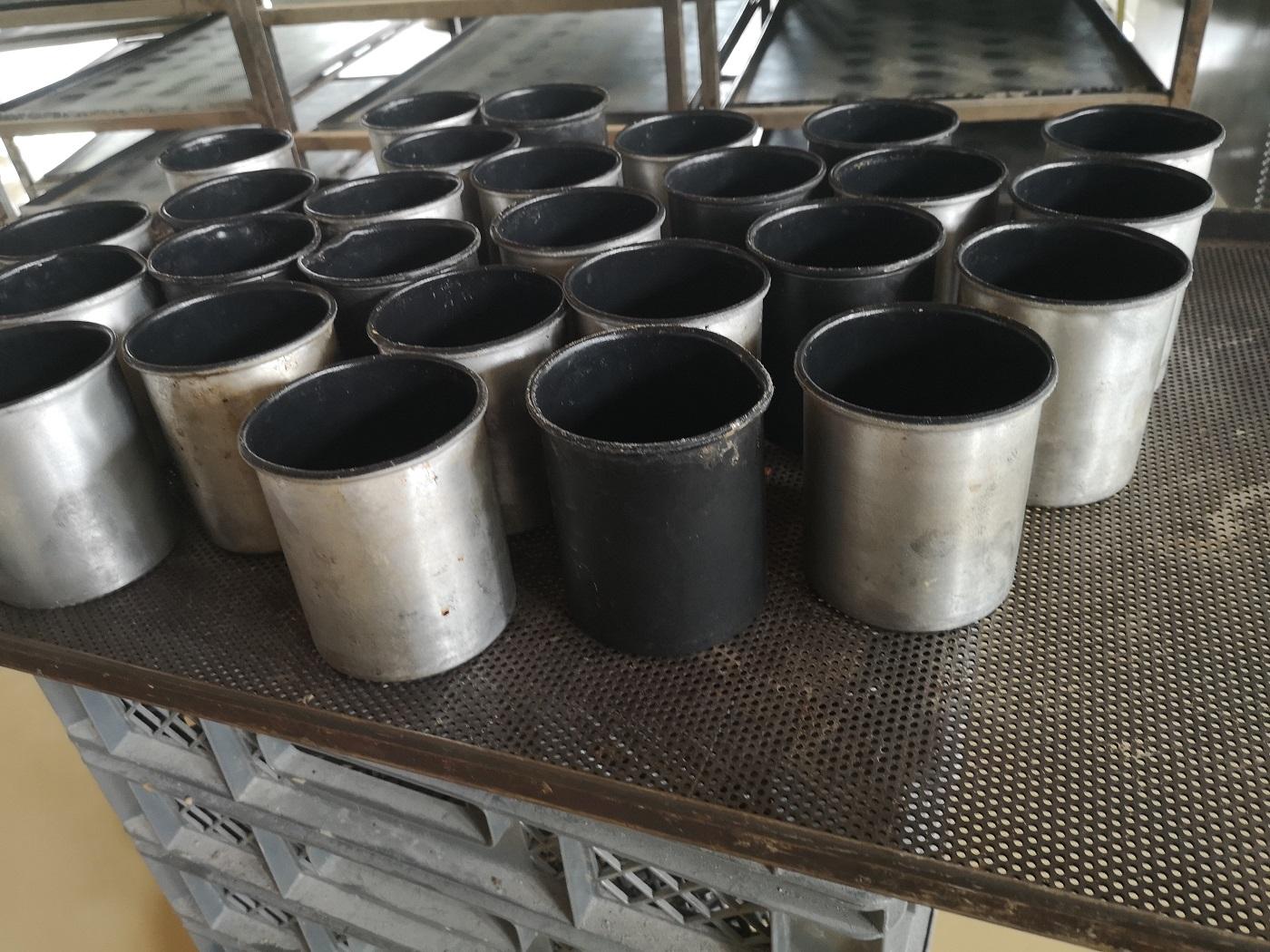
In the next step, the raw dough is precisely portioned into special cylindrical baking molds.
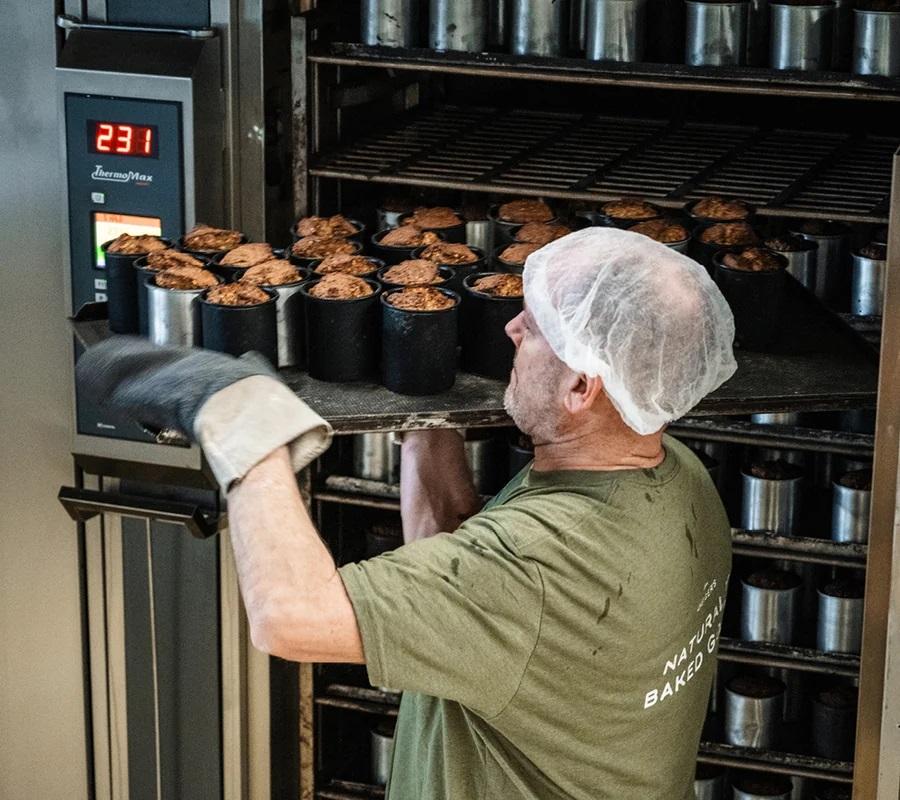
These are then placed in the oven and baked beautifully.
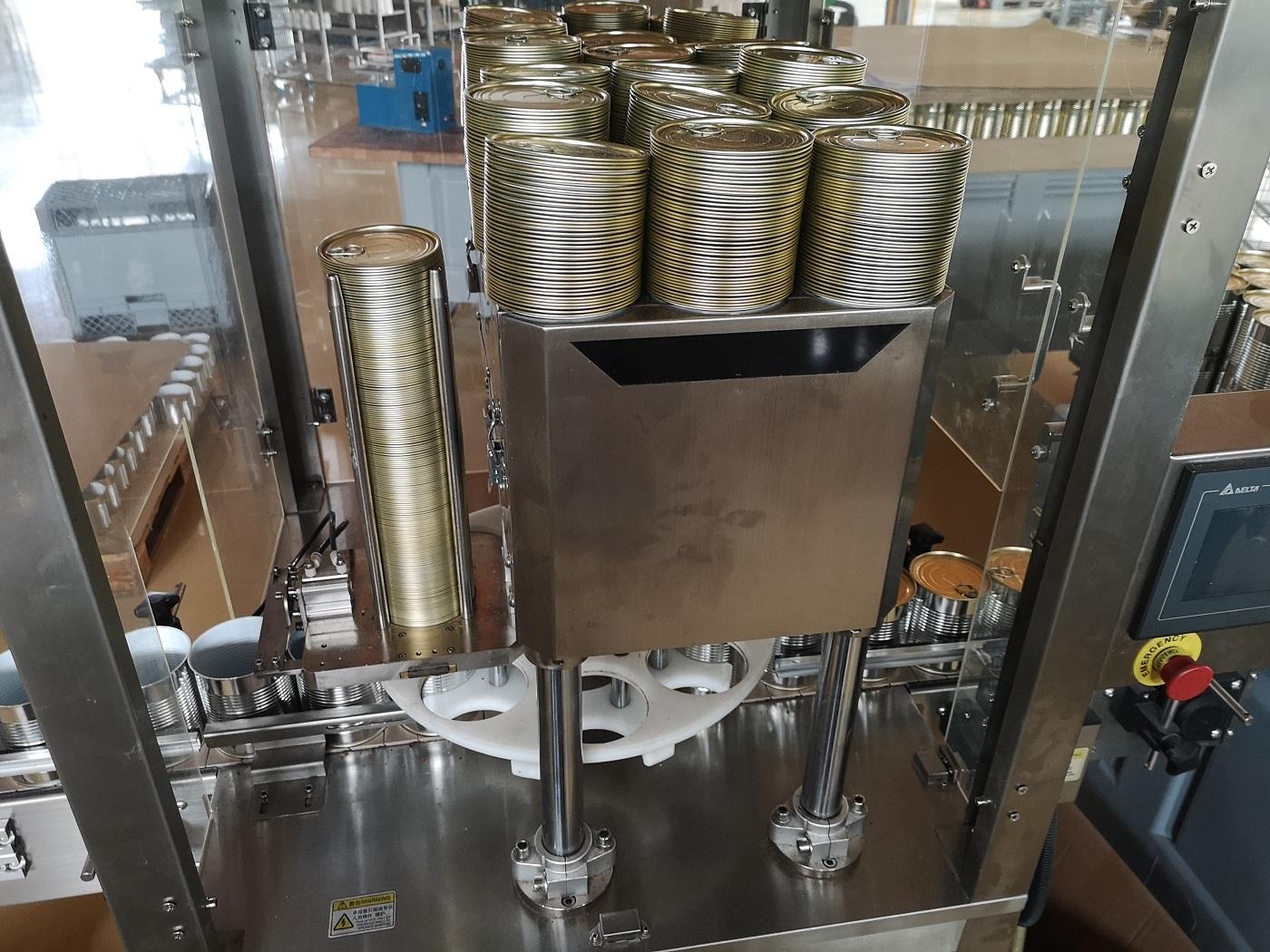
The next step is the most important and makes DEISER'S canned bread so extremely tasty. The still hot bread cylinders are immediately transferred into the cans after baking and sealed right away. By hot, we mean up to 200 °C (~400 °F) hot!
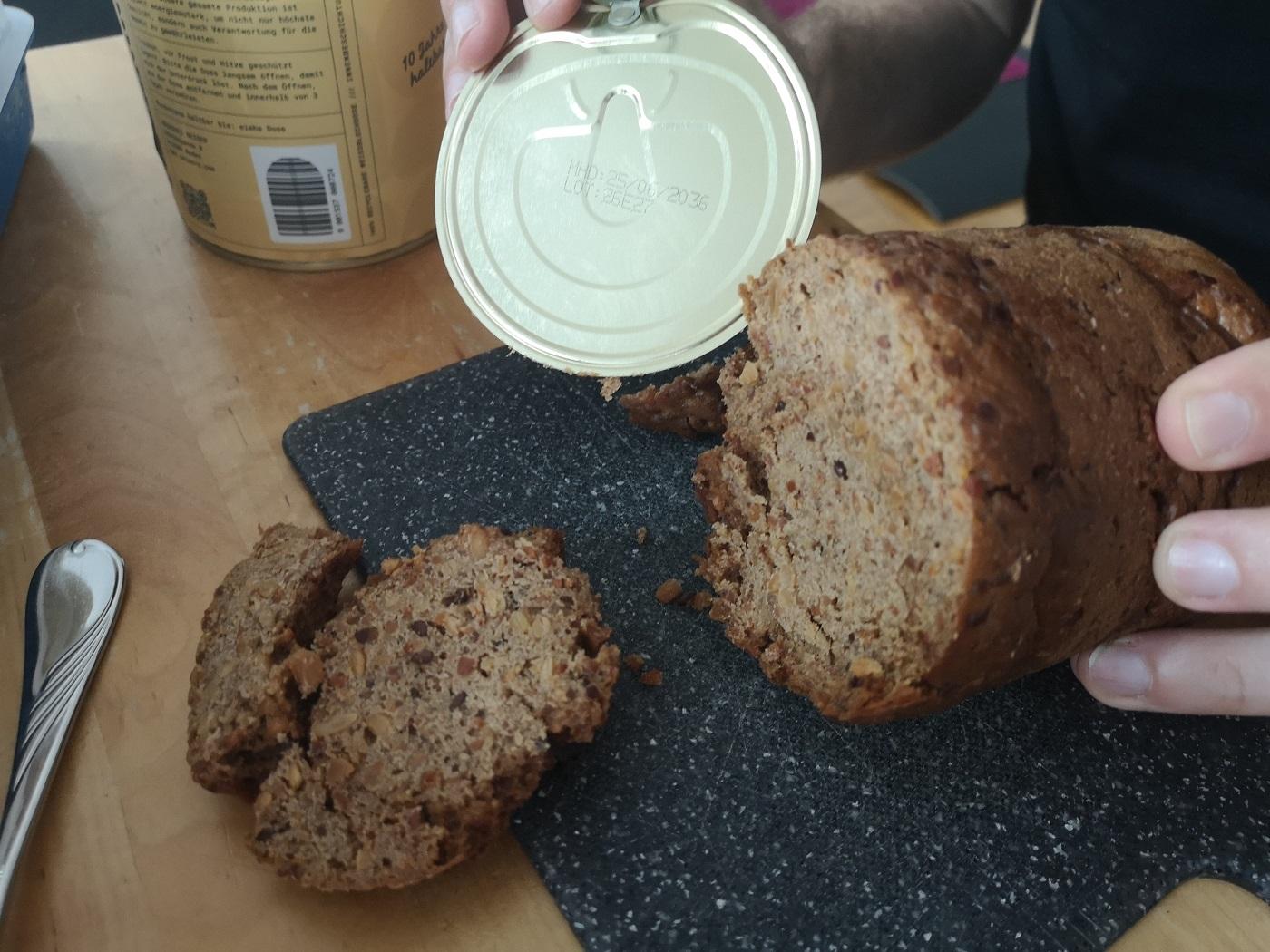
This heat eliminates the need for an additional pasteurization step, as the hot bread cooks itself in the can. The quick canning also preserves all the flavors. In the case of already sliced canned bread, this process works differently since it has to cool down first, then get sliced, placed in the can, and then pasteurized again. Consequently, many flavors are unfortunately lost.
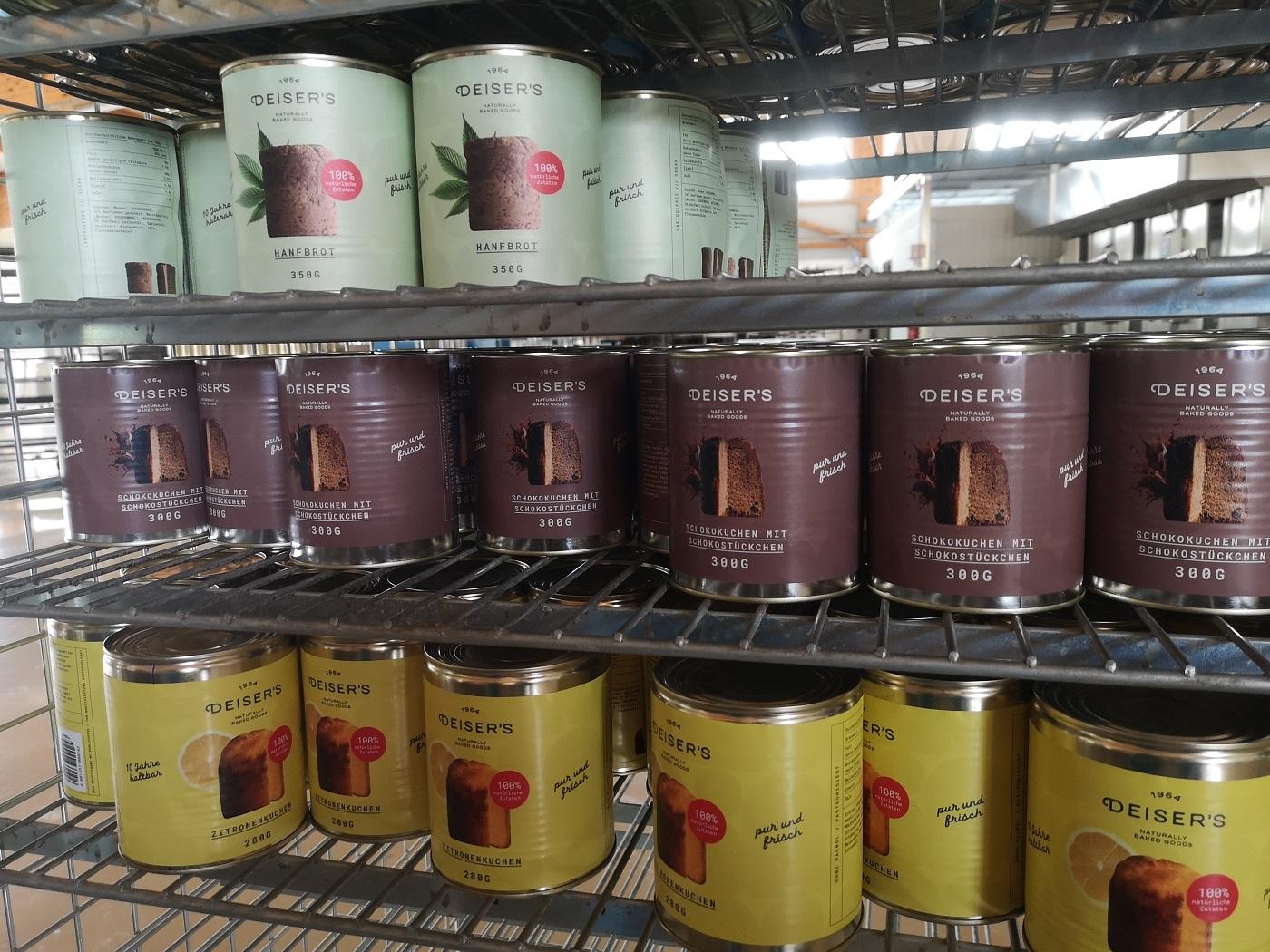
After a cooling phase, the labels and the expiration date are placed on the can, and DEISER'S canned bread is ready. If the can is undamaged, it lasts at least 10 years and often even longer. We are currently working on a long-term test for this. Now you know how the bread with such long shelf life makes it into the can while still staying so delicious.
DEISER'S online
SPARTANAT is the online magazine for Military News, Tactical Life, Gear & Reviews.
Send us your news: [email protected]
Ad
similar
Get the weekly SPARTANAT newsletter.
Your bonus: the free E-Book from SPARTANAT.
