Get the weekly SPARTANAT newsletter.
Your bonus: the free E-Book from SPARTANAT.

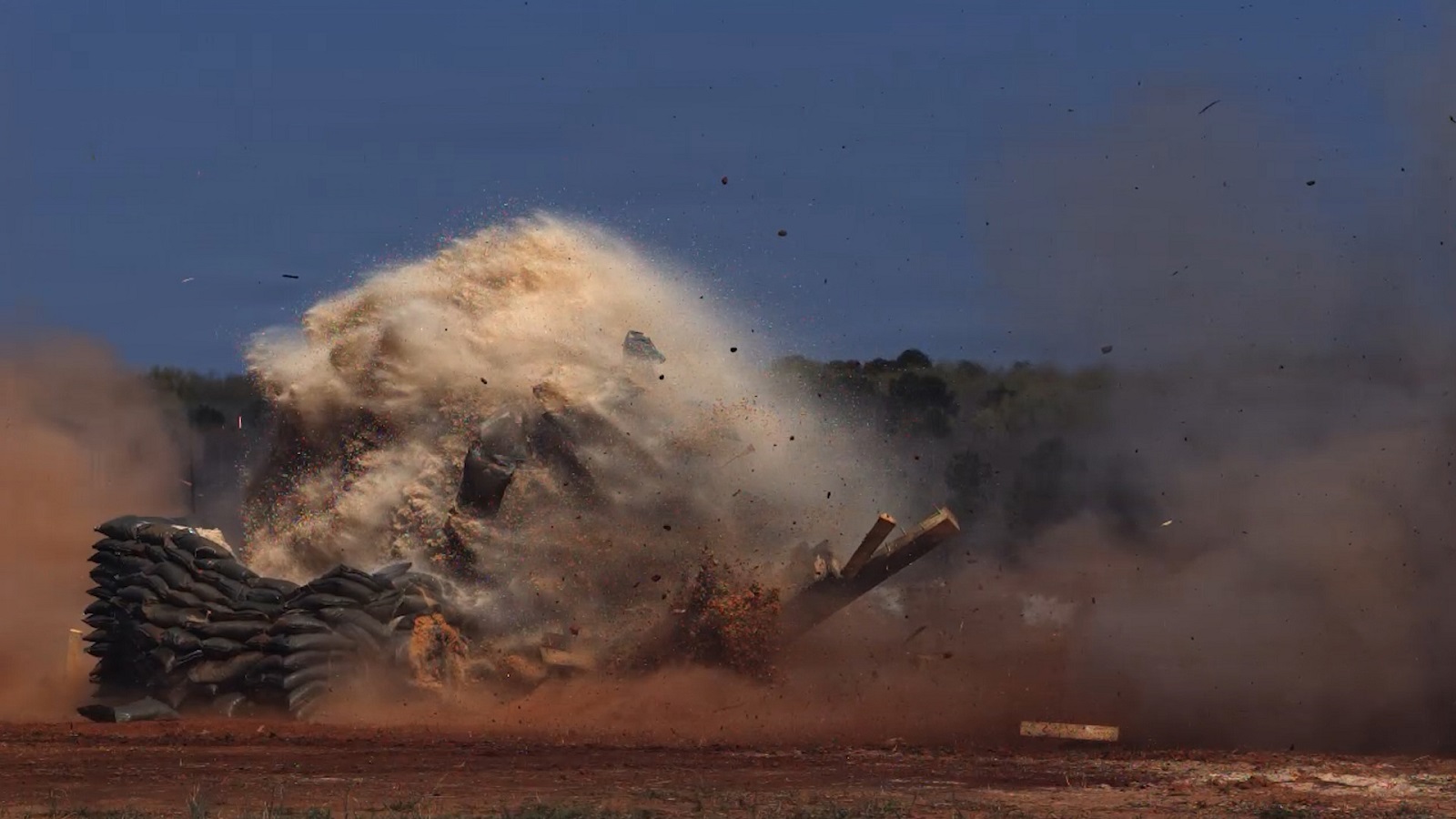
BRAKER - A Drone Bunker Buster
U.S. Marines and Army Soldiers have successfully tested the Bunker Rupture and Kinetic Explosive Round (BRAKER) for unmanned aerial systems. The rapid development was facilitated by additive manufacturing, showcasing the Army's commitment to modernizing warfighting capabilities in response to evolving threats.

In a significant leap forward for battlefield technology, U.S. Marines and Soldiers from the U.S. Army Aviation Center of Excellence at Ft. Rucker, have successfully tested a new warhead designed to be delivered by an unmanned aerial system.
The live-fire demonstration of the Bunker Rupture and Kinetic Explosive Round (BRAKER), which took place at a Redstone Arsenal in Alabama on March 26, comes only weeks after the initial design and rapid prototyping of the system, showcasing the Army's accelerated approach to innovation in the face of evolving threats.
The Army continuously transforms by using the latest technologies for warfighting advantage, and ensures that the force is lethal, modern and ready. The development of this air-delivered munition directly supports that mission as well as two senior leader priorities in Readiness and Transformation.
The BRAKER project, led by a team from the U.S. Army Combat Capabilities Development Command (DEVCOM) Armaments Center and Project Manager Close Combat Systems (PM CCS), a project office under the U.S. Army Capability Program Executive Ammunition and Energetics (CPE A&E), aimed to create a lightweight, powerful, and lethal warhead that could be deployed from a small, agile drone.
The Picatinny CLIK is a safe and effective method for integrating lethal payloads with UAS platforms, designed and developed by DEVCOM Armaments Center engineers.
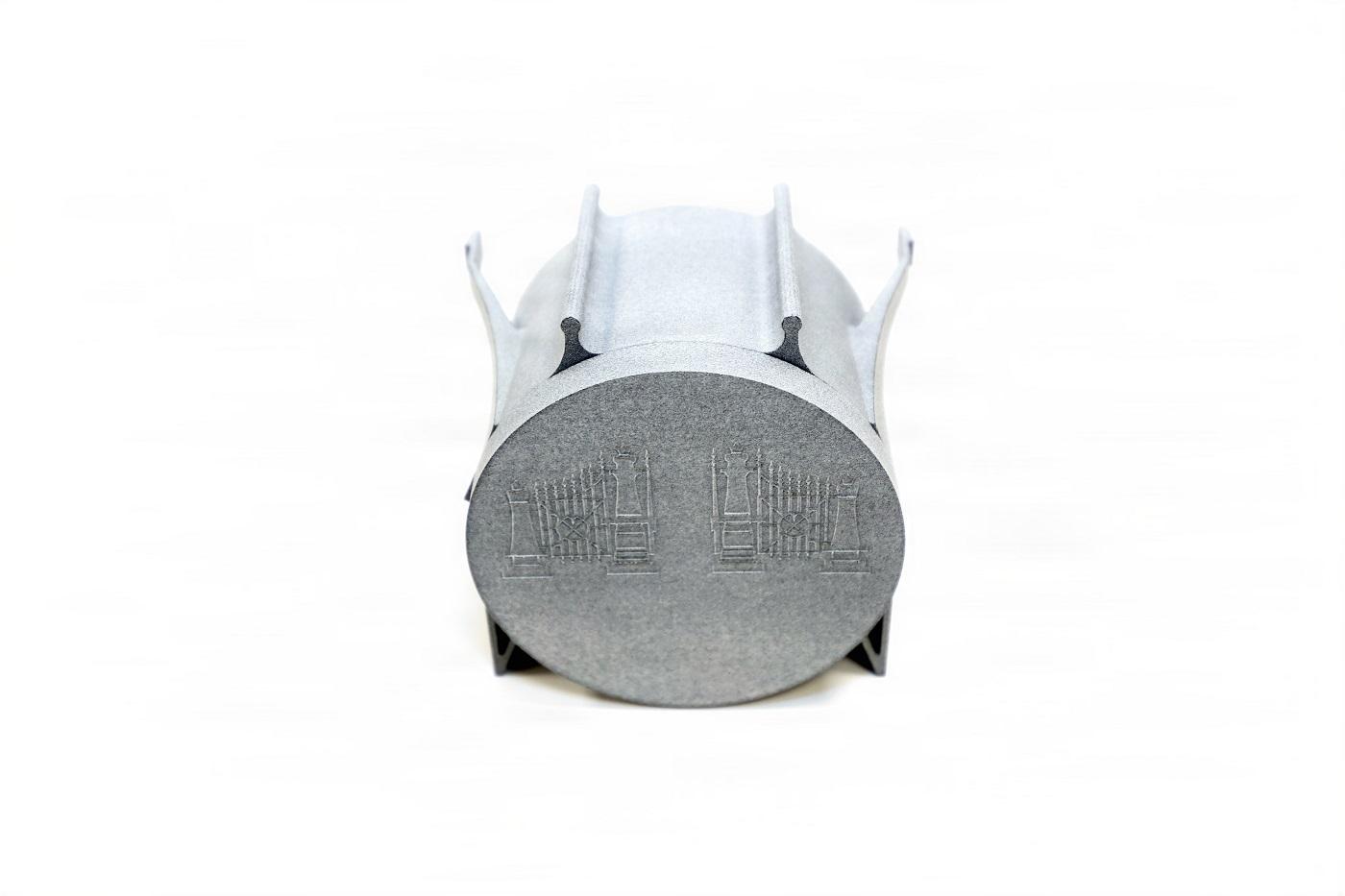
The rapid development-to-testing timeline of BRAKER was made possible by the Army's emphasis on additive manufacturing, also known as 3D printing. Beginning in early March, Armaments Center engineers began design, explosive pressing, housing manufacture, and integration of the warhead to be used on a low-cost and expendable one-way attack drone.
Shortly thereafter, transfer and compatibility tests were conducted at Picatinny and approximately a dozen warheads were assembled, with one being tested on a makeshift bunker on one of the installation’s test ranges.
After proving worthiness and validating effectiveness, the prototype warheads departed Picatinny for Redstone where a live demonstration was conducted for U.S. Army leadership.

The successful detonation of the device deployed on a drone on a designated target demonstrates a new and potent capability for the modern warfighter and illustrates how engineers can quickly design, fabricate, and integrate hardware to meet urgent and compelling needs.

SPARTANAT is the online magazine for Military News, Tactical Life, Gear & Reviews.
Send us your news: [email protected]
Ad
similar
Get the weekly SPARTANAT newsletter.
Your bonus: the free E-Book from SPARTANAT.
