Get the weekly SPARTANAT newsletter.
Your bonus: the free E-Book from SPARTANAT.

Suspended sentences for former Sig Sauer managers
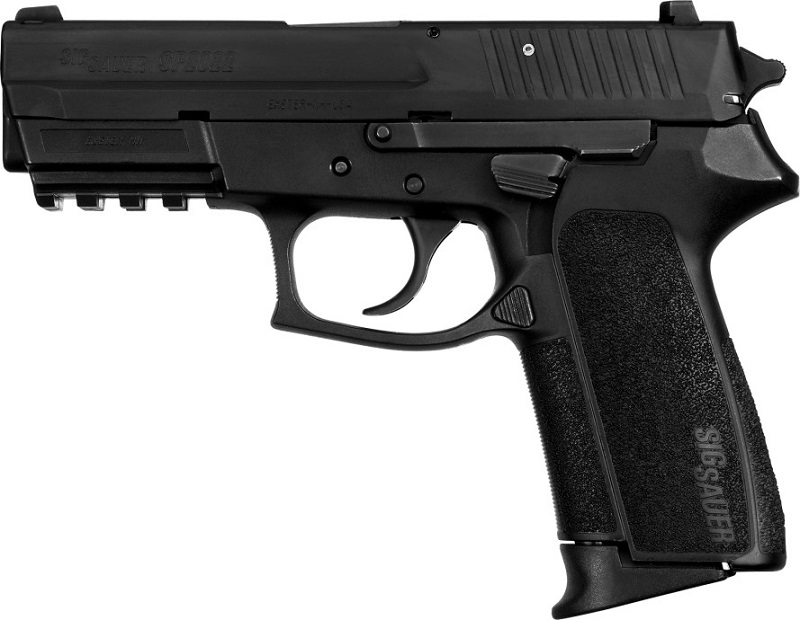
The Sig Sauer trial involved the delivery of pistols to the USA and Colombia, with defendants sparing all parties a lengthy trial through a compromise. The court sentenced them to suspended sentences and fines below prosecution demands. The case revolved around deliveries of SP 2022 pistols to the US Defense Department and National Police of Colombia. The court viewed the actions as not an evasion scheme, but a measure to secure the Sig Sauer manufacturing plant in Germany. Legal representatives believe the court's conclusions on the exports are incorrect. Sig Sauer's website is sigsauer.de.

During the sentencing in the Sig Sauer trial regarding the delivery of pistols to the USA and Colombia, the presiding judge of the 3rd Grand Criminal Chamber of the Regional Court of Kiel stated: "In a contentious proceeding, the defendants could have been acquitted." Previously, witnesses heard by the court clearly explained that the defendants were not involved in the specific approval processes for the delivery of pistols to the USA and had no knowledge of the content of the approval requests. Nevertheless, the defendants took responsibility that came with their formal position in the company during the relevant period and agreed to a compromise with the court. In doing so, they spared all parties involved a lengthy and burdensome trial. In Kiel, as part of the compromise, the court sentenced the defendants to suspended sentences and fines that were below the punishment demanded by the prosecution.
The subject of the case was deliveries of 47,000 pistols of the SP 2022 model from Sig Sauer Eckernförde to the US-based sister company of Sig Sauer Inc, which then sold the pistols to TACOM, a procurement agency of the US Department of Defense. Through this agency of the NATO ally USA, a delivery of 38,000 units to the National Police of Colombia for combating drug crime took place. However, because the application listed the USA as the final destination, the granted approval did not formally cover the export.
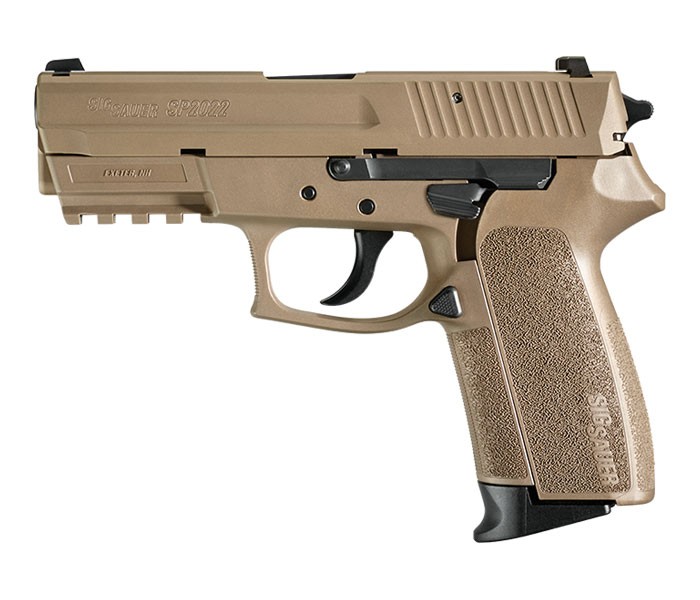 However, the court did not see this as an evasion scheme, but rather as a measure to secure the location of the Sig Sauer manufacturing plant in Eckernförde by the parent company, which had ordered a portion of the pistols destined for Sig Sauer Inc (USA) to be produced in Eckernförde, Germany instead of the USA. The presiding judge in his reasoning: "The chamber assumes that the pistols delivered to the USA would have ended up in Colombia anyway."
The Regional Court of Kiel did not consider the question of the approvability of the exports of pistols to the USA relevant. In its view, the key issue is whether an approval should have been granted, not whether an approval would have actually been issued. Legal representatives of the defendants believe that the legal consequences drawn by the chamber from the approvability of the exports are incorrect.
Sig Sauer on the Internet: sigsauer.de
SPARTANAT is the online magazine for Military News, Tactical Life, Gear & Reviews.
Send us your news: [email protected]
Ad
similar
Get the weekly SPARTANAT newsletter.
Your bonus: the free E-Book from SPARTANAT.
